1/23/2007

Spring and TOP of the list

[ . BACK to WORLDKIGO TOP . ]

:::::::::::::::::::::::::::::::::::::::::::::::::::::::::::::::::::::::::::::::::::::::::::::::::::::
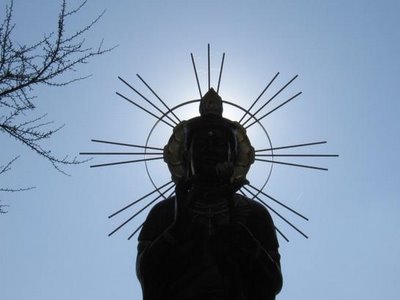


like Buddha Amida
coming over the mountains -
First Sunrise !


山越えの阿弥陀のごとく初日の出   

Gabi Greve, January 2005


The kigo lists for the New Year Ceremonies is at the bottom of this archive, please scroll down.

:::::::::::::::::::::::::::::::::::::::::::::::::::::::::::::::::::::::::::::::::::::::::::::::::::::


Saijiki of Buddhist, Shinto and other Ceremonies and Events of Japan and related kigo


Since olden times, Shintoism and later Buddhism has left a deep impression on Japanese Culture. Most of the important Shinto and Buddhist festivals and customs are kigo for haiku too.
Here you find a long list of Buddhist and Shinto kigo and LINKS to detailed information of the World Kigo Database.

All kigo listed here belong to the category "Observances, Seasonal Events (gyooji 行事)".
Another great group of the observances are the

Memorial Days of famous people .
I have compiled them in a separate saijiki.


To get a general idea of a MATSURI, a festival in Japan, read this interesting article and find more links:
WKD : Festivals of Japan

National Holidays of Japan


A place of worship in Buddhism is usually called a TEMPLE , in Shintoism a SHRINE .

Introducing Temples and Shrines of Japan
Gabi Greve


The Asian Lunar Calendar for your reference


Use your own Page Browser to find a Keyword or Synonym in the following list.

The Japanese name of a ceremony is usually given first.

After having written two books on Buddhist art, I hope to contribute a bit to the haiku world with this online saijiki.

Gabi Greve

Buddhastatuen (Buddhastatues) Who is Who
Buddhist Ritual and Ceremonial Tools


:::::::::::::::::::::::::::::::::::::::::::::::::::::::::::::::::::::::::::::::::::::::::::::::::::::


春 HARU SPRING

Some saijiki list a few of these ceremonies in the New Year season.


Buddha's Birthday, ceremonies including
Busshoo-e 仏生会
Kanbutsu-e 潅仏会 (Kambutsu-E)
Hanamatsuri 花祭 Flower Festival (Buddha's Birthday)
Hana Midoo 花御堂 Flower Hall, Blossom Hall
Amacha 甘茶 Sweet Tea  


Bosatsu Matsuri 菩薩祭 Bodhisattva Festival temple Soofuku-Ji in Nagasaki

Degawari 出代 (でがわり)New Servants begin work, February 2
degawari 出替(でがわり), igasane 居重ね(いがさね), inari 居なり(いなり), shinzan 新参(しんざん), kosan 古参(こさん), choonen 重年(ちょうねん), o-memie (o me mie) 御目見得(おめみえ)


Dontaku .. どんたく Dontaku Festival in Hakata
Dontaku music group, dontaku bayashi どんたく囃子(どんたくばやし); "Pine Music Group", matsu bayashi 松囃子(まつばやし)


Donzuki matsuri どんずき祭 February 25. In Niigata, at the Shibata village shrine. One of the "naked men" festivals.

Dosha Kaji Hoo-E 土砂加持法会 Memorial Service to prevent natural disasters

Ebumi, fumi-e (fumie) 絵踏, 踏絵, 踏み絵 Stepping on Chistian icons

Enryaku-Ji Mishihoo 延暦寺御修法 Secret Ceremony at the temple Enryaku-Ji

Eyoo 会陽 Naked Festival. Third Sunday in February. Best known at Saidai-Ji, Okayama.

Fugu Kuyoo 河豚供養 Memorial Service for Blowfish

Futsuka kyuu 二日灸 moxabustion on February second

Ganburoo 雁風呂 (がんぶろ) Ritual for departed geese
mid-spring, in Tsugaru penninsula
gan kuyoo 雁供養(かりくよう)

Gishi-Sai 義士祭 . Memorial Ceremony for the 47 Samurai, graves of the 47 Ronin at Sengakuji

Go-Kaichoo 御開帳 Showing of the Secret Buddha Statue at Zenkoji, Nagano


Golden Week (gorudin uiiku ゴールデンウィーク )
oogon shuukan 黄金週間 (おうごんしゅうかん)


Gyokusui 曲水 (きょくすい ) Court Ceremony *


Hari Kuyoo 針供養 Memorial day for used sewing needles


Harugoto 春ごと (はるごと) First Spring Activities (Festivals)
haru no koto 春の事(はるのこと), kotobi 事日(ことび), koto matsuri 事祭(ことまつり)
Feb. 8 in the Kanto Area

Hatsu uma 初午 (はつうま)  First Day of the Horse
Horse Festival, uma matsuri 午祭(うままつり)
dumplings for the first day of the horse, hatus uma dango 初午団子(はつうまだんご)
Hatsu uma mako 初午粉(はつうまこ), shiroshi no sugi 験の杉(しるしのすぎ)、
ichi no uma, 一の午(いちのうま)、ni no uma 二の午(にのうま)、san no uma 三の午(さんのうま)
first shrine visit on the day of the horse, hatsu uma moode 初午詣(はつうまもうで)
"lucky shrine visit", fuku mairi 福参(ふくまいり)
fox belief meeting, inari koo稲荷講(いなりこう)
first performance, hatsu uma shibai 初午芝居(はつうましばい), first kyogen, hatsu uma kyoogen 初午狂言(はつうまきょうげん)

Henro 遍路 Pilgrimage in Shikoku

Higan-E 彼岸会 Spring Equinox Service : > . Autumn Equinox (Part 1)
middle day of higan, welcoming the equinox, hi mukae 日迎え (ひむかえ)
departing of the equinox, hi okuri 日送り(ひおくり)
hi no tomo 日の伴(ひのとも)

Hina Eshiki 法華寺, ひな会式, 雛会式 Ceremony of Hina Dolls, Doll Festival Hina Matsuri 雛祭

Hira Hakkoo 比良八講、Hira Hakkoo 比良八荒 Ceremony for the eight volumes of the Lotus Sutra

Hiraizumi Fujiwara Matsuri 平泉藤原祭 Festival in Hiraizumi
Hookyoo-Ji Hina Matsuri 宝鏡寺雛祭 ひなまつり
..... Doll Festival at Temple Hokyo-Ji, March 3

Hote Matsuri 帆手祭 Sail-cord Festival. At Shiogama Shrine, Miyagi Pref.

Hotokemai 仏舞 Buddha Dance
Hyakumanben Nenbutsu 百万遍念仏 Saying the Nenbutsu Prayer Ten Thousand Times

Ise Mairi 伊勢参 (いせまいり) Visiting Ise Shrine
Ise sanguu 伊勢参宮(いせさんぐう), O-kage mairi お陰参(おかげまいり), nuke mairi 抜参(ぬけまいり), saka mukae 坂迎え(さかむかえ)
Ise Shrine Group, isekoo 伊勢講(いせこう), daidai koo 太々講(だいだいこう)


Jukai-e 授戒会 Initiation ceremony for novice monks

Juusan-mairi 十三詣 Juusanbutsu 十三仏 13 Protector Buddhas for the first 13 years of a child
chie moode 知恵詣(ちえもうで),
"praying for wisdom", chie morai 知恵貰い(ちえもらい)


Kaiyose-kaze 貝寄風 > WIND in spring

Kane kasumu 鐘霞む hearing tempel bells from afar

Kane Kuyoo 鐘供養 Memorial ceremony of temple bells

Kanshoku 寒食 (かんしょく) Eating cold food, Chinese tradition.
kanshoku setsu 寒食節(かんしょくせつ), goyaku setsu 百五節(ひゃくごせつ), reien setsu 冷烟節(れいえんせつ)

Kari Kuyoo 雁供養 Memorial Ceremony for drift wood at the shores (in memory of the migratory geese of autumn)

Kenkoku kinenbi 建国記念日 (けんこくきねんび) National Foundation Day of Japan
kenkoku no hi 建国の日(けんこくのひ)、kenkoku sai 建国祭(けんこくさい)、kigensetsu 紀元節(きげんせつ)、baika setsu 梅花節(ばいかせつ)、baika setsu 梅佳節(ばいかせつ)

Kenpoo Kinenbi 憲法記念日 (けんぽうきねんび) Constitution Day
March 3

Kiken Castle (kikenjoo 善見城)Heat Shimmers and Taishaku-Ten 帝釈天.

Kinensai 祈念祭 (きねんさい)Court Ceremony
toshigoi no matsuri 年祈いの祭(としごいのまつり)

Koto hajime 事始 Beginning of Work and Activities. February 8. Work stopped on December 8. Both days with an 8 are called "Days of Work (things)" (koto no hi 事の日).

Kurama no Hana Kuyoo 鞍馬の花供養 Flower Ceremony at Kurama (Kyoto)

Madara Kishinsai マダラ鬼神祭 Festival of the feroucious Deity Deity Madara (Matarajin)


Me-di- : メーデー May Day


Maya Moode 摩耶詣 Temple visit in memory of Maya, Mother of Shakyamuni Buddha, Kobe

Mibu Nenbutsu 壬生念仏 Invoction of Amida at Mibu Temple
Amida Prayer (Namu Amida Butsu)


Midori no Shuukan 緑の週間 Green Week.
"making things green" week, ryokka shuukan; 緑化週間(りょっかしゅうかん);"tree planting ceremony, shokujusai 植樹祭(しょくじゅさい);..... shokuju shiki 、植樹式(しょくじゅしき);"love the forest" day airinbi 愛林日(あいりんび), "green feather", midori no hane 緑の羽根(みどりのはね)


Mie-Ji Matsuri 美江寺祭り Festival at Temple Mie-Ji. March 1

Minakuchi matsuri 水口祭り (みなくちまつり) Field Irrigation Ceremony :
苗代祭(なわしろまつり)
..... mito matsuri みと祭(みとまつり), naejiroshi 苗じるし(なえじるし)、
"rice seedlings pole" 苗棒(なえぼう)、naejaku 苗尺(なえじゃく), naemidake 苗みだけ(なえみだけ), tananboo たなん棒(たなんぼう)
Seat for the God of the Fields, ta no kami no koshikake
田の神の腰掛(たのかみのこしかけ)
rice seedlings festival, tane matsuri 種祭(たねまつり)


Mi no Hi no Harai, 巳の日の祓 (みのひのはらい), Purification Ritual in March *

Momo no Sekku, 桃の節句 (もものせっく) Peach Blossom Festival
Doll Festival (hina matsuri)
Seasonal Festival of March, sangatsu sekku 三月節句(さんがつせっく), Yayoi no Sekku 弥生の節句(やよいのせっく), tooka no setsu 桃花の節(とうかのせつ), "Doll Festival" hina no sekku 雛の節句(ひなのせっく), "Peach Blossom Day", momo no hi 桃の日(もものひ)
"first day of the snake", Jooji 上巳 じょうし, choosan 重三(ちょうさん), genshi 元巳(げんし), joomi 上巳(じょうみ)


Nehan-E 涅槃会, Nehan Nishi 涅槃西風 Westwind Nirvana Ceremony Nehan-E, Jooraku-E 常楽会

Nigatsu reija, 二月礼者 First temple or shrine visit for those who could not go on January first.
They go on February first. Especially for stage artists and cooks.

Nikkoo Goohan-Shiki 日光強飯式Gohanshiki. Ceremony of eating large bowls of rice

Ninoo-E 仁王会 Ceremony for Nioo-Deities at Temple Daigo-Ji. Feb.23
..... Godairiki, 五大力、Five Strong Deities
Nozaki Mairi 野崎参 Nozaki Pilgrimage in Daitoo / Osaka

Oocha mori 大茶盛 Ceremony of drinking tea with a cloth covering the face

Inari Matsuri, Fox God Festival 稲荷祭, 稲荷神幸祭)

O-Mi-Nugui 御身拭 Ceremony of ritual cleansing of Shaka Buddha statues

O-Fuda Nagashi お札流し Floating of talismans by pilgrims > Henro 遍路 Pilgrimage (henro)

Oominesan Toake-Shiki 大峰山戸開式 Opening the doors at Yoshino, Oominesan

Reken 列見 (れけん) Court Ceremony

Renge-E Mai 蓮華会舞 Ceremony of the Lotos Dance
. DANCE .
Roku Amida Moode 六阿弥陀詣 Visit to Six Amida Buddhas in Edo.

Saga Dainenbutsu 嵯峨大念仏 Great Invocation of Amida at Saga
Saga no Hashira Taimatsu 嵯峨の柱炬 Fire Festival at Saga, Kyoto. March 15
Senbu-E 千部会 Ceremony of chanting sutras for 1000 times

Sengen Matsuri 浅間祭 (Asama matsuri) From April 1 to 5. At the Sengen Shrine (Asama jinja) in Shizuoka. To pacify the gods at Mr. Fuji. Dance of children (chigo mai 稚児舞) is also performed.


Senshoku sai 染織祭 Festival of dying material for robes
gofuku sai 呉服祭(ごふくさい)


Shakutoo-E 積塔会 Ceremony for blind people. February 16

Shigatsu Baka 四月馬鹿 April Fool エイプリルフール
"all fools season", bangu setsu 万愚節(ばんぐせつ)


Shrine day (shanichi) Japan. For the God of the Earth (tsuchi no kami)

Shunbun no hi 春分の日 (しゅんぶんのひ) Spring equinox, vernal equinox

Shunki kooreisai 春季皇霊祭 (しゅんきこうれいさい), kooreisai 皇霊祭(こうれいさい), Court ceremony * mid-spring

Shutsugyoo-e 出行会 Start of the Ascetic Pracitses. Nichiren Sect. Feb. 10
http://www.hokekyoji.com/syutugyoh15.htm

Sonokarakami Matsuri 園韓神祭 (そのからかみまつり)Court Ceremony
Sonokaraka Futakami no Matsuri 園韓両神祭(そのからふたかみのまつり)、Sonokami Matsuri 園神祭(そのかみまつり)、Karakami Matsuri 韓神祭(からかみまつり)

Suma no misogi, 須磨の御禊 (すまのみそぎ), Suma no harai 須磨の祓(すまのはらい)
purification ritual in late spring *

Suzuri-ishi toru 硯石取る (すずりいしとる) collecting stones for ink stones
late spring, at Tosa prefecture, Shikoku
Tosa no umi ni suzuri ishi toru 土佐の海に硯石取る(とさのうみにすずりいしとる)


Takao-san no Hiwatari Matsuri 高尾山火渡り祭 Wakling though fire at Mt. Takao. Third Sunday in March

Tanikumi Odori 谷汲踊 Dance at Temple Kegon-Ji Tanikumi, Gifu. Feb. 26

Tennoo Tanjoobi 天皇誕生日 (てんのうたんじょうび) Emperor's Birthday
Tenchoo Setsu 天長節(てんちょうせつ
April 24
Emperess Birthday 皇后誕生日 (こうごうたんじょうび ) Koogoo Tanjoobi
Chikyuu Setsu 地久節(ちきゅうせつ) 
March 6
Emperor's Birthday Emperor Akihito, December 23, 1933.

Toogyuu 闘牛 (とうぎゅう) Ceremonial Bull Fighting
bulls fighting, ushi zumoo 牛角力. getting the bulls together, ushi awase 牛合わせ.
getting the horns to clash, ushi no tsuno tsuki 牛の角突き

Toowan Kuyoo 唐椀供養 Memorial Service for Chinese Teacups

Tori awase 鶏合 (とりあわせ). Ritual Cock Fighting
late spring
tookei 闘鶏(とうけい), tori no keai 鶏の蹴合(とりのけあい)
"winning cock", kachidori 勝鶏(かちどり)
"loosing cock", makedori 負鶏(まけどり)
betting on cocks, kakedori 賭鶏(かけどり)
cock keeper, tookeishi 闘鶏師(とうけいし)


Uguisu awase 鶯合 (うぐいすあわせ) Ritual nightingale singing competition
"singing contest", naki awase 鳴合(なきあわせ),啼合(なきあわせ)


Urasa no Joo Oshi 浦佐の堂押 Naked Festival at Temple Fukoo-Ji 普光寺, Urasa, March 3

Wakasa no O-Mizu okuri 若狭のお水送り, Sendig off Water Ceremony at Wakasa
.............. Followed by the
Water-Drawing and Pine-Torch Ceremony at Temple Nigatsu-Do, Nara
O-Mizutori, Omizutori, お水取り) a part of the Monks Training Rituals, Shuni-E 修二会, Todaiji Temple Nara


Warauma hiki 藁馬曳, 藁馬曳き (わらうまひき) pulling a straw horse.
Customary prayer for the health and growth of children in Nagano prefecture. On february 8 (see "koto hajime" above). To celebrate the wayside gods.
The Wayside Gods (Doosojin)


Watari gyofu 渡り漁夫 (わたりぎょふ) Migrant fishermen
..... gyofu tsunoru 漁夫募る(ぎょふつのる)
fishermen coming, gyofu kuru 漁夫来る(ぎょふくる)
..... yanshu kuru ヤンシュ来る(やんしゅくる)


Yakushiji Hana Eshiki 薬師寺花会式 Ceremony of flowers for the Healing Buddha, a version of Shuuni-E

Yanagi matsuri (やなぎまつり) 柳祭 Willow Festival


Yayoi Kyogen (yayoi kyoogen) 弥生狂言 Kyogen performance in march
..... sangatsu kyoogen 三月狂言(さんがつきょうげん); san no kawari 三の替り(さんのかわり)


Yoshino no Hana Eshiki 吉野の花会式 Flower Ceremony at Yoshino 


Yoshiwara no Yozakura .. 吉原の夜桜 Viewing Cherry Blossoms at Night in Yoshiwara


Yuikyoo-Gyoo E 遺教経会 Memorial Service for the death of Buddha

:::::::::::::::::::::::::::::::::::::::::::::::::::::::::::::::::::::::::::::::::::::::::::::::::::::


.. .. .. Memorial Days


Memorial Days of Famous People
SAIJIKI


:::::::::::::::::::::::::::::::::::::::::::::::::::::::::::::::::::::::::::::::::::::::::::::::::::::


.. .. .. Plants

Murasaki Keman 紫華鬘, Kenmansoo 華鬘草 Photo of the flower Corydalis incisa
Negi Boozu 葱坊主 Welch Onion Head

Sakura 桜 Cherry Blossoms (sakura, Japan) /
Shikimi no Hana 樒の花 Star anise blossoms
Zazensoo座禅草 Zazen Flower


BACK to the TOP

::::::::::::::::::::::::::::::::::::::::::::::::::::::::::::::::::::::::::::::::::::::::::::::::::

1/22/2007

Summer Ceremonies

[ . BACK to WORLDKIGO TOP . ]

:::::::::::::::::::::::::::::::::::::::::::::::::::::::::::::::::::::::::::::::::::::::::::::::::::


夏 NATSU SUMMER

Festival (matsuri) 祭 Kigo for all summer. With many more kigo on the subject.

:::::::::::::::::::::::::::::::::::::::::::::::::::::::::::::::::::::::::::::::::::::::::::::::::::::

Aizen-sai 愛染祭 Festival of Aizen Myo-O (Photos)
Amagoi 雨乞 Rain Rituals
Ango 安居 Angyo Kagura Dance Photos

Aoba Matsuri 青葉祭 Festival of the Green Leaves
Ao-oni Hotaru Matsuri 青鬼蛍祭 Green Demon and Fireflies Festival

Butsumo-E 仏母会 Ceremony for Buddha's Mother

Demon's Drum 鬼太鼓 Drums in Buddhist Ritual

Enma Mairi 閻魔参 Visiting an Enma Temple for the King of Hell
Enmadoo Dainenbutsu 閻魔堂大念仏 Amida Prayer (Namu Amida Butsu)
..... Enma Moode 閻魔詣(えんまもうで)
..... Visiting the 10 Kings of Hell, juuoo moode 十王詣(じゅうおうもうで)
..... Great day off, dai sainichi 大斎日(だいさいにち)
..... Enma no saijitsu 閻魔の斎日(えんまのさいじつ)
..... King of Hell, En oo 閻王(えんおう)

Enshuu Dainenbutsu 遠州大念仏

Fujikiri E-shiki 藤切り会式 Wisteria Cutting Ceremony at Temple Daizen-Ji Yamanashi Prefecture

Gebana 夏花 "summer flowers"
Gedachi 夏断 Not eating red meat
Gegaki 夏書 Reading in Summer

Genenbutsu 夏念仏 Nenbutsu prayers in Summer
Amida Prayer (Namu Amida Butsu)

Hanabi Senkoo 花火線香 > Firework Display (hanabi, Japan)
Hangeshoo 半夏生
Ama no Hashidate Matsuri 天の橋立祭 Festival at Ama-no-Hashidate Amanohashitate
Hitotsu Yaito ひとつやいと(お灸, 瑞龍寺 One Moxabustion for the tired monks ... ceremony at Temple Zuiryu-ji
Hoshi ii 干飯 Dried Rice

Iriya Asagao Ichi 入谷朝顔市 Asagao Flower Market at the temple in Iriya

Kappa Matsuri かっぱ祭り Kappa Festival (Water Goblin Festival)
Kurama no Take Kiri 鞍馬の竹伐
Kyuuri fuuji きゅうり封じ

Makomo 真菰 (Photos)
Mine-iri 峰入 First Climbing of a Holy Mountain, especially at Mr. Gassan
..... Shugendoo, The Mountain Ascets Way of Life

Mushi-boshi 虫干 airing out of insects


Nantai san toohaisai 男体山登拝祭 Climbing Mount Nantai in Nikko .. ceremony

夏遍路 Natsu Henro, Pilgrims in Summer Pilgrimage (henro) Part 1
Nerikuyoo 練供養 Procession of Bodhisattvas

Ooyakazu 大矢数 Shooting many arrows (at Sanjusan Gendo Hall, Kyoto)
Osorezan Daisai 恐山大祭 Great Festival at Osorezan, Aomori
Photos of Osorezan Festivalwhit shamans and all ...

Sanja Matsuri, Festival at Asakusa Kannon (Japan) 三社祭、浅草
Sendango 千団子

Semai 施米 Giving Alms of Rice
Shakyoo-e 写経会 Meeting to Copy Sutras > First Ceremonies of the year (05)

Shidoji Sai 志度寺祭 Shidoji Temple Festival
Shiman Rokusen Nichi 四万六千日

Sooma Too 走馬燈 > Daruma Pilgrims in Japan: Koya San in Wakayama

Takagi Noo 薪能 Noo-Performance at night Noh Performance, Yugen (yuugen 幽玄)


Tsukuma matsuri 筑摩祭
"pot festival", nabe matsuri 鍋祭(なべまつり)
"wearing pots", nabe kaburi 鍋被り(なべかぶり)
pots from Tsukuma 筑摩鍋(つくまなべ)
women with pots, nabe otome 鍋乙女(なべおとめ)
crown from a pot, nabe kamuri 鍋冠(なべかむり)
..... nabe kamuri matsuri 鍋冠祭りの
pots and hearth, nabe kama 鍋釜(なべかま)


Uchiwa kaki 団扇撒

Yoshino no kaeru-tobi 吉野の蛙飛 Yoshino and the jumping frogs

Zatoo no Suzumi 座頭の納涼

:::::::::::::::::::::::::::::::::::::::::::::::::::::::::::::::::::::::::::::::::::::::::::::::::::::


.. .. .. Memorial Days


Memorial Days of Famous People


:::::::::::::::::::::::::::::::::::::::::::::::::::::::::::::::::::::::::::::::::::::::::::::::::::::


.. .. .. Plants

Bodaijuu no Hana 菩提樹の花 Flowers of the Buddha Tree
Bussooge 仏桑花 haibisukasu : Hibiscus
Gibooshi no Hana 擬宝珠の花
Hoozuki Ichi 鬼灯市 Lampionflower (hoozuki, Japan)
Keshi Boozu 芥子坊主 poppies See > Welch Onion
Hasu 蓮 Lotus Flower
Shara no Hana 沙羅の花 Sal Flower, natsu tsubaki 夏椿 Summer Camellia (tsubaki)
Udonge 優曇華
Yamabooshi no Hana 山法師の花 Dogwood

:::::::::::::::::::::::::::::::::::::::::::::::::::::::::::::::::::::::::::::::::::::::::::::::::::::


.. .. .. Animals

Ari Jigoku 蟻地獄 "Hell for the Ants"

Jihi Shinchoo 慈悲心鳥, juuichi 十一 Bird of the Cockoo Family
Buppoosoo (buppousou) 仏法僧 Buddhabird Dollarbird and Eurasian Scops-Owl


BACK to the TOP


::::::::::::::::::::::::::::::::::::::::::::::::::::::::::::::::::::::::::::::::::::::::::::::::::

1/21/2007

Autumn Ceremonies

[ . BACK to WORLDKIGO TOP . ]

:::::::::::::::::::::::::::::::::::::::::::::::::::::::::::::::::::::::::::::::::::::::::::::::::::

秋 AKI AUTUMN

In Autumn, the biggest event is the ceremony for the souls of the ancestors, O-Bon.
Here are first many kigo related to this event.


.. .. .. .. .. Bon Festival (o-bon) お盆

....................................... Included in this file are :
Lantern Festival, Festival of the Dead, Ancestor's Festival
..... Urabon, Ura-Bon 盂蘭盆, urabon-e 盂蘭盆会
..... Bonrei 盆礼

Bon Lantern, bon choochin 盆提灯 Bon Lanterns and other lanterns
..... Bon Dooroo 盆燈籠
Bon Dance, bon odori 盆踊り Awaodori Dance
Tower for the Bon Dance, bon yagura 盆櫓

welcoming fire at the gates, mukaebi 迎え火
Festival for the souls, tama matsuri 魂祭
sending off fire, okuribi 送り火
sending off the souls, tama okuri 霊送り

shelf for Bon offerings, bondana 盆棚
shelf for the souls, shooryoodana 精霊棚
shelf for the ancestors, sensodana 先祖棚
empty shelf, karadana 空棚
sutras on the shelf, tanagyoo 棚経

first bon, hatsubon初盆, shinbon新盆
..... for a person who died the year before

preparations for o-bon, bonjitaku 盆仕度
..... Bon yooi 盆用意
before o-bon, bon mae 盆前
holidays during o-bon, bon yasumi 盆休み
after o-bon, bon sugi 盆過ぎ


::::::::::::::::::::::::::::::::::::::::::::::::::::

Light offerings afloat (tooroo nagashi) 燈篭流し
....................................... Included in this file are:
Daimonji 大文字、大文字焼 Great Seeing-Off Fire in Kyoto
Hyaku Hattai 百八燈 108 bonfires
Kadobi 門火/Mukaebi 迎火 Fire at the Entrance to Welcome the Souls
Mantoo-E 万燈会 Ten Thousand Lanterns Ceremony
Okuribi 送火 Fire for Seeing Off
Sentoo Kuyoo 千燈供養 Thousand Lanterns Offerings
Tooroo Nagashi 燈籠流 Light offerings afloat

::::::::::::::::::::::::::::::::::::::::::::::::::::

Other customs and ceremonies at O-Bon

Bon no Tera 盆の寺 Temple during O-Bon

Hakamairi 墓参 Visiting the Graves of Ancestors Autumn Equinox

Nasu no Uma 茄子の馬 Horses of Eggplants ..... Bon Offerings
Bonbana 盆花 Flowers for O-Bon
Bongama 盆竈 Bon Stove for girl's cooking
Shooryoobune 精霊船 Bon Boats for the Souls, Ships for Souls

Rokudoo Mairi 六道参 Welcoming the souls at the six crossroads, Bon Ceremony

Iki Mitama 生身魂 Bon Ceremony of entertaining the elders which are still living

Kusa no ichi 草の市 Market for O-Bon

Ogara 苧穀 burned for okuribi ceremonies

Soodai 掃苔 Bon, Cleaning the moss from the graves
Sashi Saba 刺鯖 Giving Makarels to the family, night before o-Bon

Tana Gyoosoo 棚経僧 Priests reading sutras in front of the Bon Shelf

Bon Gochi 盆東風 East Wind during O-Bon > WIND in various kigo
Bon Nami 盆波 Waves during O-Bon
Bon no Tsuki 盆の月 Moon during O-Bon >
..... MOON and its LINKS

Bon Shibai 盆芝居 Theater Performance at O-Bon
Bonmichi 盆路 Road for O-Bon
Hooka ほうか Bon Dance in the Mikawa Area

Kiraigoo 鬼来迎 Welcoming of the Demons
Segaki 施餓鬼 Offering food and drink to the hungry ghosts also
Hungry Ghosts, gaki 餓鬼
..... Japanese Ghosts and Demons
by Gabi Greve


Jizoo Bon 地蔵盆 Ceremonies for Jizoo Bosatsu, August 18 - 24

Hassaku no iwai 八朔の祝 Hassaku Harvest Festival.
"princess melon doll", hime uribina. kettle for the tea ceremony, hassaku gama 八朔釜. Rice Gruel, O-bana no kayu 尾花の粥

Hoojoo-E 放生会 Setting free of animals (Nara)
Kaze no Bon 風の盆 ..... Bon of the Wind

:::::::::::::::::::::::::::::::::::::::::::::::::::::::::::::::::::::::::::::::::::::::::::::::::::::

Aki Higan 秋彼岸 . Autumn Equinox

Aki Henro 秋遍路 Pilgrims in Autumn Pilgrimage (henro) Shikoku Henro
..... Settai 摂待 Giving Alms

Aki Matsuri 秋祭り Autumn Festival   and many related kigo

Botamochi Rice Cakes (Botamochi) "Ricecakes in difficult times" Gonan no mochi 御難の餅 (ごなんのもち)
Ceremony at the "Dragon Mouth" Tatsu no kuchi Hoonan E
龍口法難会(たつのくちほうなんえ)
Botamochi Ceremony, botamochi eshiki 牡丹餅会式(ぼたもちえしき) and Nichiren


Chooyoo 重陽 Chrysanthemum FestivalDouble Nine (9th Month, 9th Day)

Daikaku-Ji Dainichi-E 大覚寺大日会 Ceremony for Dainichi at Temple Daikaku-Ji

Gege 解夏 End of the summer ascetics for priests
Gejo-E 解除会 Ceremony to drive away the evil, Toodai-Ji Nara

Fudangyoo 不断経 Ceremony of reading sutras day and night, Koya san

Juzudama 数珠玉 "Beads of the Rosary" Job's tears, a plant. and more about the rosary in Japan!

Kangetsu Sanbutsu-E 観月讃仏会 Moon Viewing Ceremony, Nara
Kishibojin Matsuri 鬼子母神祭 Festival for the female deity Kishiboshin
Koomyoo Shingon-E 光明真言会 Ceremony of Koomyoo

Mushi Okuri 虫送 Driving away the bad insects

Nijuroku Yamachi 二十六夜待 Waiting for the Moon on the night of the 16th

Ningyoo Kuyoo 人形供養 Memorial Ceremony for used dolls

Nochi no futsuka kyuu 後の二日灸 moxabustion on August second

Otomatsuri 御灯祭, お燈まつり, 御燈祭 Torch Fire Festival Kumano, Wakayama

Rokusai Nenbutsu 六斎念仏 Ceremony of praying to Amida
..... see Amida Prayer (Namu Amida Butsu)

Sennichi Mairi 千日参 Thousand Days of a Temple Visit

Shaka Nenbutsu-E 釈迦念仏会 Memorial Ceremony for Shakyamuni Buddha

Shoosoo-In (Shoso-In) Bokuryoo 正倉院曝涼: Airing of the treasures (hoomotsu kaze-ire)

Susuki Nenbutsu-E 薄念仏会 Ceremony in memory of Ippen Shoonin

Tanabata 七夕 Star Festival   and many related kigo

Tozu Seppoo 戸津説法 Explaining the Buddhist Law at Tozu (Lake Biwa, Toonan-Temple)

Tsuto iri 衝突入 Visiting a home to see it all / Ise area

Uzumasa no Ushi Matsuri 太秦の牛祭 Ox Festival at Uzumasa

Yuurei Matsuri 幽霊祭 Festival of the Ghosts

Yonenbutsu 夜念仏 Nenbutsu-Prayers at Night
..... see Amida Prayer (Namu Amida Butsu)

Yoshida Fire Festival (Yoshida himatsuri, Yoshida chinkasai) 吉田の火祭り
..... Fuji Sengen Jinja no Himatsuri 富士浅間神社の火祭り


:::::::::::::::::::::::::::::::::::::::::::::::::::::::::::::::::::::::::::::::::::::::::::::::::::::

.. .. .. Memorial Days

Memorial Days of Famous People


:::::::::::::::::::::::::::::::::::::::::::::::::::::::::::::::::::::::::::::::::::::::::::::::::::::


.. .. .. Plants

Bodaishi 菩提子 Fruit of the Linden tree

Kannonsoo 観音草 Kannon-Plant

Kiku Kuyoo 菊供養 Chrysanthemum Festival
Kiku no Sekku 菊の節句 Chrysanthemum Festival

Shakunage 曼珠沙華 Spider Lilies (manjushage, O-Higanbana 彼岸花)


:::::::::::::::::::::::::::::::::::::::::::::::::::::::::::::::::::::::::::::::::::::::::::::::::::::


.. .. .. Animals

Hooshizemi 法師蝉 Hooshi Cicada, tsukutsukubooshi

Tanuki Kuyoo 狸供養: 狸塚の狸を供養する。証誠寺(千葉県木更津市)August 13 at the Temple Shoojoo-Ji (Shojo-Ji) in Chiba Prefecture : Tanuki - Badger

Kane Tataki 鉦叩 Prayer Gong Cricket, Fruit Cricket (kanetataki) >
..... Kuya Shonin


BACK to the TOP


::::::::::::::::::::::::::::::::::::::::::::::::::::::::::::::::::::::::::::::::::::::::::::::::::

1/20/2007

Winter Ceremonies

冬 FUYU WINTER


... ... ... LAST ceremonies of the year
Many of them have the corresponding FIRST ceremony in the New Year Saijiki, see below.


Osame Fudoo 納不動 Last Fudoo Ceremony of a Year

Shimai Daishi 終大師 Last Ceremony for Kobo Daishi Osame no Daishi 納めの大師
..... also First Ceremonies of the year
Daishikoo 大師講 Daishi Ceremony Group Kobo Daishi, Kukai

Fuda Osame 札納 Bringing back the Year Talisman First and Last Ceremonies of the year

:::::::::::::::::::::::::::::::::::::::::::::::::::::::::::::::::::::::::::::::::::::::::::::::::::::


Butsumyoo-E 仏名会 Ceremony for the Names of Budda

Chichibu Yomatsuri 秩父夜祭 . Chichibu Night Festival
Chichibu Matsuri 秩父祭(ちちぶまつり)


Daikotaki 大根焚 Cooking large radishes, Temple Sansen-In, Kyoto, Feb. 10 - 13
三千院の初午大根焚き, 年2月10日~13日
..... Daikon, Radish

Fuyu Ango 冬安居 Winter Retreat for Monks

Gishi-E 義士会 Memorial Ceremony for the 47 Samurai graves of the 47 Ronin at Sengakuji

Gojuu Sooden 五重相伝 Secret Ceremony of the Pure Land Sect

Gosechi Mai , gosechi no mai 五節の舞 Dance of the Five Maidens
..... go sechi 五節(ごせち)、gosechi no choodai kokoromi 五節帳台試(ごせちのちょうだいのこころみ)、gosechi no gozen kokoromi 五節御前試(ごせちのごぜんのこころみ)


Haka kakou 墓囲ふ Preparing the graves for New Year

Hio no tsukai 氷魚の使 (ひおのつかい) Messenger for iced Fish

Hoshi Matsuri 星祭 Star Festivals and Star Shrines (Hoshi Jinja)


I Hajime 射場始 Imperial Ceremony of first shooting in Winter
..... yuba hajime 弓場始(ゆばはじめ)


Joya 除夜/Joya no Kane 除夜の鐘, Last Bell Ringing, see Last Day of the Year (oomisoka 大晦日, Japan)

Juuya 十夜 Ceremony for Amida Buddha

Kakure Nenbutsu かくれ念仏 Secret Nenbutsu Dance, Memory of Kuuya Shoonin
..... Namu Amida Butsu, the Amida Prayer

Kamiko 紙衣 Cloths of Paper (to keep the monks warm) Also used for Kabuki from Osaka.

Kan Gori, kangori 寒垢離 Ascetic practises in the Cold
..... Kan Mairi 寒参 Temple Visit in the Cold, Kan Nenbutsu 寒念仏 Nenbutsu Prayer in the Cold, Kan Segyoo 寒施行 Ascetic practises in the Cold

Kaomise 顔見世 "Showing the Faces"
Seasonal debut of the Kabuki Theater actors
..... Tsuramise 面見世
..... Ashi zoroe 足揃 actors' lineup

Kooya Doofu 高野豆腐 Dry Tofu from Mt. Koya

Koyomi no Soo 暦の奏 Imperial Ceremony of perparing the new calendar
..... Goryaku no soo 御暦の奏(ごりゃくのそう)、rekisoo 暦奏(れきそう)


Mootoo no Jun 孟冬の旬 Imperial Ceremony of givng frozen fish
..... hio o tamau 氷魚を賜う(ひおをたまう)


Nii name no matsuri 新嘗祭 Imperial Ceremony of New Food Offerings
..... New Food festival. Niinamesai 新嘗祭(にいなめさい)、Shinjoosai 新嘗祭(しんじょうさい)、shinjooe 新嘗会(しんじょうえ)、oonie matsuri 大嘗祭(おおにえまつり)、daijoosai 大嘗祭(だいじょうさい)


Omigoromo, o mi goromo 小忌衣 Imperial Ceremonial Robe
..... Omi no sode 小忌の袖(おみのそで)、aozuri no koromo 青摺の衣(あおずりのころも)


Roohachi-E 臘八会 Ceremony of Roohachi (Roohatsu) Shakyamuni Buddha (roohatsu)
..... Joodoo-E 成道会 Same as Roohachi

Rotan o tatematsuru 炉炭を進る Imperial Ceremony , beginning to heat
..... rotan kai 煖炉会(だんろかい)


Shichi Go San 七五三 Seven Five Three Celebration
..... Celebrating Shichi-Go-San, shime iwai 七五三祝
..... Seven-Five-Three congratulations
..... shichigosan no iwai 七五三の祝
...... sweets for this celebration, chitose ame 千歳飴 

Shinno Matsuri, Osaka 神農祭,小彦名神社, November 23
Setsubun 節分 Setsubun Festival (February 3)
..... Tsuina 追儺 Driving away the evil influences

Susuharai 煤払 Cleaning of the Dust


Tori no Ichi 酉の市 Rooster Market
..... on the last day of the rooster in November
..... lucky-rake market, kumade ichi 熊手市
..... Okame-mask market, okame ichi おかめ市

Toshi no ichi 年の市 Last Market of the Year
Selling goods cheaply for the New Year Celebrations

Toshi Yooi 年用意 Preparations for the New Year

Toyo no Akari no Sechi-E 豊明節会 Imperial Banquet with "Bountiful Light" and New Food
Toyo no akari 豊の明り(とよのあかり)、yuki no sechi 悠紀の節(ゆきのせち)、suki no sechi 主基の節(すきのせち)


Yaku Otoshi 厄落し/ Yakubarai 厄払 Casting off the Old Impurities and Sins

Yugyoo no Hitotsubi 遊行の一つ火 Memorial Service for Saint Yugyoo Shoonin in Kamakura


:::::::::::::::::::::::::::::::::::::::::::::::::::::::::::::::::::::::::::::::::::::::::::::::::::::


.. .. .. Memorial Days

Memorial Days of Famous People


:::::::::::::::::::::::::::::::::::::::::::::::::::::::::::::::::::::::::::::::::::::::::::::::::::::


.. .. .. Animals
Kankudori 寒苦鳥 Birds in the snowy mountains


:::::::::::::::::::::::::::::::::::::::::::::::::::::::::::::::::::::::::::::::::::::::::::::::::::::


Ceremonies in the New Year Saijiki

BACK to the TOP


::::::::::::::::::::::::::::::::::::::::::::::::::::::::::::::::::::::::::::::::::::::::::::::::::

1/19/2007

New Year Ceremonies

[ . BACK to WORLDKIGO TOP . ]

:::::::::::::::::::::::::::::::::::::::::::::::::::::::::::::::::::::::::::::::::::::::::::::::::::


新年 SHIN-NEN Shinnen NEW YEAR

The New Year is the most important time of life in Japan.
Many customs and ceremonies are related to it. The season lasts from the first day of the New Year to about the 15. of January, the "Small New Year (koshoogatsu 小正月)" according to the Asian Lunar Calendar. Some saijiki list these ceremonies in the spring season.


For general kigo of the new year in our database, CLICK HERE !


New Year Kigo and haiku by ISSA !


Festivals in January in Japan

:::::::::::::::::::::::::::::::::::::::::::::::::::::::::::::::::::::::::::::::::::::::::::::::::::::

First sunrise, first sun (hatsu hi no de) : 初日の出
Read about Amaterasu Oomikami and Dainichi Nyorai, The Sun Deities of Japan : 天照大神と大日如来


First Spring (hatsu haru 初春) and related kigo


:::::::::::::::::::::::::::::::::::::::::::::::::::::::::::::::::::::::::::::::::::::


WKD : "First" ceremonies of the year :

The following are explained in the above LINK:

..... Daruma Market 達磨市 Daruma Ichi

初薬師 Hatsu Yakushi, First Ceremony for Yakushi Nyorai, Healing BuddhaBuddha of Medicine

初観音Hatsu Kannon : First Kannon Ceremony
初大師 Hatsu Daishi : First Kooboo Daishi Festival Kobo Daishi, Kukai
初地蔵 Hatsu Jizoo : First Jizoo Bosatsu Ceremony
初不動 Hatsu Fudo O-Fudo-Sama in Japan
初護摩 Hatsu-goma, First Fire Ceremony Oyama Fudo, Fire Ceremony
初勤行: Hatsu-gongyoo, First Reading of the Sutras
..... 初鐘,初読経,初燈明,初燈
初写経 : Hatsu Shakyoo, First Copying of the Sutras

弓始 : Yumi Hajime, First Drawing of the Bow
..... 初矢 hatsuya, Shooting of the year's first arrow : Japanese Archery (kyuudoo) 弓道
..... iba hajime 射場始(いばはじめ)、mato hajime 的始(まとはじめ)、yumiya hajime 弓矢始(ゆみやはじめ)、izome 射初(いぞめ)、hatsu yumi 初弓(はつゆみ)
..... see also Noriyumi below.


First visit to a temple or shrine (hatsumode, hatsu moode 初詣)  The Basics !

:::::::::::::::::::::::::::::::::::::::::::::::::::::::::::::::::::::::::::::::::::::


Some more FIRST ceremonies :

Hatsu Asama, hatsu sengen 初浅間 First view of or visit to the Asama Shrine (Mt. Fuji)

Hatsu Asama 初浅間 First view of or visit to Mount Asama, near Karuizawa Town

Hatsu Basho, 初場所 First Sumo Tournament
..... January Tournament, ichigatsu basho 一月場所, New Year Tournament, shoogatsu basho 正月場所

Hatsu Benten, 初弁天 First visit to a Benten Shrine

Hatsu Enma 初閻魔 はつえんま
First Visit to a Temple to the God of Hell
..... Enma mairi 閻魔詣(えんままいり)
..... Day off, sainichi 斎日(さいにち)
..... First visit to the 10 kings of hell,
..... juuoo mairi 十王詣(じゅうおうまいり)

Hatsu Hiei, 初比叡 First Visit to Temple Hiei-zan in Kyoto

Hime hajime ひめ始 ひめはじめ 姫始(ひめはじめ)Beginning of first female activities, January 2. Court rituals. *
Nowadays also the first meeting of males and females in the New Year.
..... hime hajime 飛馬始(ひめはじめ)、hime hajime 姫糊始(ひめはじめ)、hime hajime 火水始(ひめはじめ)、hime hajime 密事始(ひめはじめ)

初伊勢 Hatsu Ise, First visit to the Ise Shrine


初神楽, 神楽始 Hatsu Kagura, First Kagura Dance

初金毘羅 Hatsu Konpira, First Visit the Konpira Shrine, Shikoku

初句会 Hatsu kukai, First Haiku Meeting

Mari hajime 鞠始 まりはじめ First Kickball Game court ritual.
..... kemari hajime 蹴鞠始(けまりはじめ)、hatsu mari 初鞠(はつまり)

能始,初能 Noo hajime, hatsunoo, First No Theater performance

初芝居 Hatsu Shibai, First Kabuki Theater Performance
..... ni no kae, ni no kawari 二の替
..... First Kyogen, hatsu kyoogen 初春狂言, spring performance, haru shibai 春芝居
..... First Soga Performance, hatsu soga 初曽我

Koosho Hajime 講書始, First official lecture at the Imperial Court
..... hatsu koosho 初講書(はつこうしょ)

Hatsu Tenjin 初天神 First visit to a Tenjin Shrine

Hatsu Tora 初寅 (はつとら) First Day of the Tiger
visit to Kurama Temple in Kyoto on the first day of the tiger, Kurama hatsu tora mairi 鞍馬初寅詣(くらまはつとらまいり)
..... Kurama mairi 鞍馬詣(くらままいり); hatsu tora mairi 初寅詣(はつとらまいり)
"First Tiger", ichi no tora 一の寅(いちのとら); ..... kami no tora no hi 上寅日(かみのとらのひ); "lucky tiger" fuku tora 福寅(ふくとら)
"rake for good luck" fuku kaki 福掻, 福かき(ふくかき);"lowering the basket" fugo oroshi 畚下し, 畚降ろし(ふごおろし)
"lucky centipede", o-fuku mukade お福むかで(おふくむかで);"Kurama Gold Coin", Kurama koban 鞍馬小判(くらまこばん)


Hatsu Tsukuba 初筑波 はつつくば . First view of Mt. Tsukuba

Uma norizome 馬騎初 うまのりぞめ First riding of the horses. Imperial Court Ceremony.
..... kiba hajime 騎馬始(きばはじめ)、nori hajime 騎始(のりはじめ)、norizome 騎初(のりぞめ)、hatsu nori 初騎(はつのり)、baba hajime 馬場始(ばばはじめ)

Utaizome 謡初,初謡 hatsu uta, First reading of poetry, court ritual
..... utakai hajime 歌会始 うたかいはじめ
..... uta gokai hajime 歌御会始(うたごかいはじめ)、waka gokai hajime 和歌御会始(わかごかいはじめ)、gokai hajime 御会始(ごかいはじめ)


Hatsu Warai, first laughter, smile With Ebisu, the God of Good Luck

初薬師 Hatsu Yakushi, first visit to a Yakushi Nyorai Temple , to the Buddha of Medicine


If your FIRST word is not in the above list, it may not be in the category for "observances". For a list of more New Year FIRST items,
CLICK HERE !


WKD : Other "First Things" (hatsumono) of Japan in other seasons

:::::::::::::::::::::::::::::::::::::::::::::::::::::::::::::::::::::::::::::::::::::::::::::::::::::


Agatameshi no jimoku 県召除目 あがためしのじもく Giving first orders to local governors (an old ritual)
..... 県召の除目
..... agatameshi 県召(あがためし)、haru no jimoku 春除目(はるのじもく)

Ao uma no sechi e, hakuba no sechi-e 白馬節会 あおうまのせちえ Court ritual on January 7 *
..... 白馬の節会
..... ume ga e utau 梅が枝うたう(うめがえうたう)
..... aoyagi utau 青柳うたう(あおやぎうたう)
PHOTOS !
..... ooroku 女王禄 おうろく , 女王禄を賜う(おうろくをたもう)
..... nyojo i 女叙位 にょじょい , 女叙位(おんなじょい)
On the day after the White Horse.

Azukigayu 小豆粥 あずきがゆ Rice gruel with small soybeans *
..... rice gruel on the 15th, juugonichi gayu 十五日粥(じゅうごにちがゆ)
rice gruel with red soybeans, azukigayu 赤小豆粥(あずきがゆ)
rice gruel eaten on the day "mochi", January 15, mochi no kayu 望の粥(もちのかゆ. 餅粥
usually it includes some rice cakes (mochi)

Binzuru Mawashi 賓頭盧廻 Ceremony for Saint Binzuru
..... びんづるまはし, ひんつるまはし, びんずるまわし


Bishamon no tsukai 毘沙門の使 Bishamonten Festival, Messenger of Bishamonten Indian Deity Vaishravana

Bonten 梵天, ぼんでん Indian Deity Brahman

Cha no yu, 茶の湯, Tea Ceremony
..... 初釜 Hatsugama, First Tea Ceremony 初茶湯 Hatsu Cha no yu, 初点前 Hatsu temae

Chooga 朝賀 Court ritual of First Morning Audience
haiga 拝賀(はいが)、sanga 参賀(さんが)
more : First Court Rituals.

Daijin ke no daikyoo 大臣家大饗 だいじんけのだいきょう First audience of the Ministers. Since the Heian period.
..... omoya no daikyoo 母屋の大饗 もやのだいきょう

Dainichi mairi 大日詣 First vitit to the Dainichi Hall in Akita, Kazuno
dainichidoozaidoo 大日堂祭堂(だいにちどうざいどう), zaidoo 祭堂(ざいどう)

Dezome 出初 でぞめ First Parade of the Tokyo fire brigade
..... shooboo dezome 消防出初(しょうぼうでぞめ)、dezome shiki 出初式(でぞめしき)、hatsu de 初出(はつで)、
..... first fire alarm bells, dezome gane 出初鐘(でぞめがね)、
..... first climbing of the ladders, hashigo nori 梯子乗(はしごのり)

Doya Doya どやどや Festival at Shitenno-Ji in Osaka

Ebisu, Ceremony for the God of Wealth and Prosperity 若夷, 夷おろし
..... Kairaishi 傀儡師, 傀儡, 夷廻し,木傀廻し
..... Visiting the Seven Gods of Good Luck, shichi fukujin mairi 七福神詣
..... 七福詣, 福神詣, 福神巡り, 福詣
Palanquin of fortunes, hoikago宝恵駕, hoekago 宝恵駕籠*
Ebisu palanquin, Ebisu kago 戎籠(えびすかご)
Palanquin for Fukusuke, Fukusuke kago 福助駕(ふくすけかご)


Ehoo Moode 恵方詣 Visit in the auspicious direction
..... Ehoo mairi, auspiciuos direction, ehoo 恵方(えほう)、ehoo michi 恵方道(えほうみち)、ehoo 吉方(えほう)、兄方(えほう)、得方(えほう)、元方(えほう)、aki no kata 明の方(あきのかた), praying in the auspicious direction, ehoo ogami 恵方拝(えほうおがみ)


Enburi Dance 柄振り えんぶり、えぶり Japan, Aomori.

Enjusai 延寿祭 (えんじゅさい) Enju "Long Life" Ceremony at Kaibara Shrine, Nara Pref.
Enju Sake Cup, enju hai 延寿盃(えんじゅはい), Enju Chopsticks, enju bashi延寿箸(えんじゅばし)


Ennen no Mai 延年の舞 Dance of Ennen at various temples in Japan. January 20
..... in honor of the Holy Ennin 円仁
..... Performed at Temple Motsu-Ji, Hiraizumi, in honor of the deity Matarajin 平泉毛越寺

Eyoo 会陽 "Sun Ceremony", Naked Festival at Temple Saidai-Ji
..... Saidaiji Mairi 西大寺参, shingi 神木, hadaka oshi 裸押し, shuushoo-e 修正会
..... Naked Festivals of Japan

Fudakiri, o-fudakiri お札切 Opening a new talisman tablet for the new year

Fuigo hajime 鞴初 、吹革初 First use of the bellows

Fuku Warai 福笑い (ふくわらい) First laugh, hatsu warai. first cry, hatsu naki

Ganjitsu no Sechi-E 元日節会
Court ritual of Reception and Audience of Politicians

..... shoshinosoo 諸司奏(しょしのそう)、
..... shichiyoo no goriyaku no soo 七曜御暦奏(しちようのごりやくのそう)、
..... hi no tameshi no soo 氷様奏(ひのためしのそう)、
..... haraka no soo 腹赤奏(はらかのそう)
..... kuzu no soo 国栖奏(くずのそう)PHOTOS !
..... hiraza no gezan 平座見参(ひらざのげざん)、
..... shinnen enkai 新年宴会(しんねんえんかい)

Ganzan Daishi-E 元三大師会 Ceremony for Ganzan at Jindai-ji
.... see also: juuhachi gayu.

Gohan Itadaki 御判戴き Ceremony of eating rice

Go-Oo Kaji 牛王加持, 牛黄加持Ceremony of the Ox King Deity (Ox King Buddha), for a safe birth
東寺牛王加持 とうじごおうかじ, とうじごわうかぢ
..... Go-Oo Kaji-E 牛王加持会 at Asakusa Temple 浅草寺
..... Funa Go-Oo 舟牛王ふなごおう,ふなごわう, Ship Go-Oo


Hachi Tataki Dezome 鉢叩出初 First prayer round whilst banging gongs
.....  Hachi Tataki 鉢叩 鉢敲, 鉢扣 Memorial Service for Kuuya Shoonin 空也上人

 Teeth strengthening Ceremony (hagatame)
..... rice cakes for strengthening the teeth
..... hagatame no mochi 画固の餅 はがためのもち
..... Diamond Petal Rice Cakes, hishi hanabira mochi, 菱葩餅
..... "auspicious hard things" o-iwai kachin お祝いかちん(おいわいかちん)
..... ..... o-iwai okachin お祝いおかちん

Hama ogami 浜拝 はまおがみ Offering prayers at the beaches. January first
..... First Tide, wakashio 若潮 わかしお
..... wakashio mukae 若潮迎え(わかしおむかえ)、hatsu hama 初浜(はつはま)、
..... Selling new salt, waka shio uri 若塩売(わかしおうり)、waka shio iwai 若塩祝い(わかしおいわい)

Hare no Gozen 晴の御膳 Official Lunch Reception at the Imperial Court
..... Hare no Omono 晴御膳 はれのおもの
..... Gozen no gi 御膳の儀


Hatsuka iwai 二十日祝 January 20 Celebration
..... "sword handle" celebration, ha tsuka iwai 刃柄祝(はつかいわい), Celebration of the mirror obx, kyoodai iwai 鏡台祝(きょうだいいわい), Celebration of the "first face", hatsu kao iwai 初顔祝(はつかおいわい)、Celebration of the Mirror, kagami no iwai 鏡の祝(かがみのいわい)


Hino no Hadaka Odori 日野の裸踊 Naked Dance in Hino


Hotoke Shoogatsu 仏正月 New Year of the Buddhas/ancestor souls

In no Hairai 院の拝礼 First Court Ceremony

Joi, official bestowing of a rank or title 叙位 じょい

First third of the year, jogen, joogen 上元
..... shongan しょんがん、 genshoosai 元宵祭(げんしょうさい)、 genshoosetsu 元宵節(げんしょうせつ)、genshoo 元宵(げんしょう)、joogen e 上元会(じょうげんえ)、joogen no hi 上元の日(じょうげんのひ), genseki 元夕(げんせき ), ceremony of praying for good luck, kifuku sai 祈福祭(きふくさい), changing the candles, roosoku kae 蝋燭替(ろうそくかえ)

Juuhachi Gayu 十八粥 Rice Gruel

Juuyokka Toshikoshi 十四日年越, 十四日年越しJanuary 14 (one day before the "Small New Year, koshoogatsu)
..... Dumplings on the fourteenth, juuyokka dango 十四日団子(じゅうよっかだんご)

Kagura Dance 神楽, Hatsu Kagura, First Kagura Dance

Kaji hajime 鍛冶初, First use of the smithy
..... Hatsu kamado 初竃, first fire in the stove

Kasetori かせとり"Imitating the Cock's Call". January 15. Young men go around the village, imitate the cock and get some rice cakes in return.
..... kasedori かせどり, kakkadori かっかどり, kasegidori かせぎどり, hotohoto ほとほと

Kayutsuri 粥釣, 粥つり かゆつり "Fishing for rice gruel"

Kenpai Shiki 献盃式 Ceremony of drinking Rice wine (sake) sake in memory of Shinran Shoonin

Kijizake (kiji sake), "Pheasant ricewine" 雉子酒, kiji shu 雉子酒(きじしゅ) o kiji おきじ

Kokuseki-Ji Hadaka Matsuri, Kuroishi Temple 黒石寺裸祭 Kokuseki Temple,Naked Festival February 11

Komatsu hiki 小松引 pulling out small pine seeldings 
..... First Day of the Rat, hatsune 初子
..... dress for the day of the rat, ne no hi goromo 子の日衣
and a few more kigo of this day

Matsubayashi 松囃子 まつばやし First official performance of the arts
..... 松拍子(まつばやし)、o utaizome 御謡初(おうたいぞめ)、su oonugi 素襖脱ぎ(すおうぬぎ)

Matsumoto no shio ichi 松本の塩市 まつもとのしおいち Salt market at Matsumoto *
..... First market at Matsumoto, Matsumoto no hatsu ichi 松本の初市
..... Sweet Market, ame ichi 飴市(あめいち)
PHOTOS !

Matsurigoto hajime, beginning of political activities 政始
.....Matsurigoto in Japan

Mikamaki 御薪 Honorable fire wood, offered on Jan. 15 by local governors. Old court ritual.
..... mimaki 御薪(みまき)、mikamaki tatematsuru 御薪奉る(みかまぎたてまつる)

Mikusuri o kuuzu, offering medicinal food 御薬を供ず
..... toso 屠蘇(とそ)、hyakusan 白散(びゃくさん)、dojoosan 度嶂散(どしょうさん)、kusurigo 薬子(くすりご)

Mino-o no Tomi 箕面の富 Ceremony for Good Luck, Osaka

Mogura-uchi 土龍打 もぐらうち "hitting the moles"
..... mogura oi 土龍追(もぐらおい)
sending the moles away, mogura okuri 土龍送り(もぐらおくり)、urkomochi uchi うろこもち打(うろこもちうち 望打ち)

Mooja Okuri 亡者送り Seeing Off the Dead, driving out the devil Asakusa

Namahage なまはげ Demons driving out bad spirits
..... Namomihagi なもみ剥ぎ, amamihagi あまみはぎ
namamihagi 生身剥(なまみはぎ)、nagomehagi なごめ剥(なごめはぎ)、namomitakuri なもみたくり、ひがたたくり、nanamitakuri ななみたくり、namomihagi なもみ剥(なもみはぎ)

Nanakusa 七種、七草 the seven herbs of Spring

Nara no Yamayaki 奈良の山焼 Burning the Mountain Slopes at Nara
..... Burning the mountains, o-yama yaki お山焼(おやまやき)

Narikizeme 成木責 tree fertility ritual
..... nari iwai 成祝(なりいわい)
cheering the tree, ki o hayasu 木を囃す(きをはやす)
naruka naranuka なるかならぬか

Noriyumi 賭弓 Bow shooting contest. Court Ceremony on January 18.
..... noriyumi 賭射(のりゆみ)、keari aruji 還饗(かえりあるじ), noriyumi no sechi 賭弓の節(せち)

Nyoodoosai 繞道祭 にょうどうさい Nyoodoo FestivalNyodo Fire Festival


Oobuku 大服 Ceremony of drinking tea to keep healthy
..... New Year Tea for Good Luck, fukucha 福茶

Oobaku Hoozan 黄檗放参 Evening Zen at Oobaku Zen Temples

Okera mairi 白朮詣 Okera Festival at Yasaka Shrine, Kyoto
..... okera matsuri 白朮祭(おけらまつり),okera fire, okera bi 白朮火(おけらび)
okera rope, okera nawa 白朮縄(おけらなわ),auspicious rope, kichoo nawa 、吉兆縄(きっちょうなわ),swinging the rope, hinawa furu 火縄振るceremony in
Gion kezurikake no shinji, Ritual of shaving branches at the Gion quarters in Kyoto,

..... 祗園削掛の神事(ぎおんけずりかけのしんじ)
..... kezurikake no okonai 削掛の行(けずりかけのおこない),
vendor or ropes, hinawa uri 火縄売(ひなわうり)


Oni Eshiki 鬼会式 Demon Festival
..... Japanese Demons

Rinji kyaku, 臨時客

Sagichoo Festival 左義長 Fire Rituals and Coming of Age Ceremonies
..... sagichoo 三毬杖(さぎちょう)、tondo とんど、dondo どんど、dondon yaki どんどん焼き(どんどんやき)、dondo shoogatsu どんど正月(どんどしょうがつ)、dondo ba どんど場(どんどば)、saito yaki さいと焼き(さいとやき)
hut for the small new year, shougatsu goya 正月小屋(しょうがつごや)、dondon goya どんどん小屋(どんどんごや)、snow hut yukigoya 雪小屋(ゆきごや)、saitogoya さいと小屋(さいとごや)、
burning the decorations, kazaritaki 飾り焚(かざりたき)、kazari age 飾りあげ(かざりあげ)、kazari hayashi 飾りはやし(かざりはやし)、
burning the first calligraphy of the year, kissho age 吉書揚(きっしょあげ)、wakabi 若火(わかび)、miso dondon みそどんど
firecrackers, bakuchiku 爆竹(ばくちく)、kazaritaku 飾焚く(かざりたく)


Sai no kami no kanjin 幸の神の勧進 さいのかみのかんじん Praying to the God of the Fields
..... Ta no Kami, God of the Rice Fields 田の神さま

Seijin no hi 成人の日 せいじんのひ Coming of Age Day
..... seijin shiki 成人式(せいじんしき)、seijin sai 成人祭(せいじんさい)

Shari-Koo 舎利講 Group Meeting for Budhdist Reliquies

Shichi Fukujin Mairi 七福神参り, shichifukujin Moode 七福神詣 Visiting the Seven Gods of Good Luck

Shihoo hai 四方拝, しほうはい  
Court ritual prayer to the four directions


Shuuni-E 修正会 Ceremony at Todai-Ji
..... O-Mizutori, Omizutori お水取り

Suminuri 墨塗, 墨塗り,すみぬりpainting the face with charcoal
..... painting the faces, Northern Japan, Date no suminiri 伊達の墨塗 だてのすみぬり
..... sumitsuke shoogatsu 墨付正月(すみつけしょうがつ)墨付け正月

Takezaki no Oni Matsuri 竹崎の鬼祭 Demon Festival at Takezaki

Takisan-ji Oni Matsuri 滝山寺鬼祭 Demon Festival at Temple Takisan-Ji

Taue odori 田植踊 Dancing and rice planting
..... ta asobi, 田遊 playing in the rice fields and a few more

Tooka no sechi e 踏歌節会 Imperial Court Ceremony
..... 踏歌の節会
..... tooka 踏歌(とうか)、otoko tooka 男踏歌(おとことうか)、onna tooka 女踏歌(おんなとうか)、ararebashiri 霰ばしり(あらればしり)、kazashi no wata 插頭綿(かざしのわた)

Tori oi (tori-oi) 鳥追 "Chasing away the birds". January 15
..... hut, tori-oi goya 鳥追小屋(とりおいごや)
..... tower, tori-oi yagura鳥追櫓(とりおいやぐら)
..... song, tori-oi uta 鳥追唄(とりおいうた)
enjoying, tori-oi asobi 鳥追遊び(とりおいあそび)

Toshigami 年神 God of the Year
..... toshitoku jin 年徳神、toshitoku 年德(としとく)、toshitoku san 年德さん(としとくさん)、wakadoshi san 若年さん(わかどしさん)
"Mr. New Year" shoogatsu san 正月さん(しょうがつさん)、toshi jisan 年爺さん(としじいさん)、o toshi sama お年さま(おとしさま
shelf for the new year, toshidana 年棚(としだな)、toshi toku dana 歳德棚(としとくだな)、"shelf in the auspicious direction", ehoodana 恵方棚(えほうだな)、"shelf for a boutiful year", hoonen dana 豊年棚(ほうねんだな)
"strawbag for the year", toshidawara 年俵(としだわら)


Toshi otoko 年男 としおとこ "Man of the Year" (male born in the year with the same Asian zodiac animal)*
waka otoko 若男(わかおとこ)、sechi otoko 節男(せちおとこ)、yaku otoko 役男(やくおとこ)、manriki otoko 万力男(まんりきおとこ)、iwai taroo 祝太郎(いわいたろう)

Toshi tokujin 歳徳神 Good of the New Year
..... toshigami 年神, wakatoshisama 若年様, shoogatsusama 正月様

Toso 屠蘇, ritual rice wine
..... toso iwau 屠蘇祝ふ, tososhuu 屠蘇酒
..... bag with spices for the ritual rice wine, tosobukuro 屠蘇袋
mulled rice wine with spices

Tsunahiki 綱引 つなひき, 綱引きplaying tug-of-war *
"pulling the rope"
..... tsunahiki 綱曳(つなひき). 縄引(なわひき)

Ubusuna mairi 産土神参 うぶすなまいり Shrine visit to the God of one's birthplace

Uzue, warding of evil with a ritual wand 卯杖
..... u no tsue 卯の杖(うのつえ)、hatsu uzue 初卯杖(はつうづえ)、iwai no tsue 祝の杖(いわいのつえ)、uzue no hogai 卯杖の祝(うづえのほがい)、uzue no kotobuki 卯杖の寿(うづえのことぶき)
On the first day of the rabbit, u no hi 卯の日
PHOTOS !

Wakamizu 若水 "young water" First water drawn from the well on New Year's morning and related kigo
..... first water, hatsumizu 初水
..... first well, waka-i 若井
..... blessed water, fukumizu 福水
New Year's Tea, Good Luck Tea (fukucha) 

Wakana o kuusu, offering fresh greens 若菜を供す
similar to nanakusa, seven herbs of spring
..... wakano no sechi-e 若菜の節会(わかなのせちえ)
..... picking fresh greens, wakana tsumi 若菜摘 わかなつみ
fresh greens, "young greens", wakana 若菜(わかな)
first fresh greens, hatsu wakana 初若菜(はつわかな)
field with fresh greens, wakana no 若菜野(わかなの)
boat transporting fresh greens, wakana bune 若菜舟(わかなぶね)、
day of fresh greens, wakana no hi 若菜の日(わかなのひ)
..... selling fresh greens, 若菜売(わかなうり)
..... selling sheperd's purse, nazuna uri なずなうり


Yabu-iri, Servant's holiday , fasting day (sainichi)
..... yabu iri 家父入(やぶいり)、yabu iri 養父入(やぶいり)、yabu iri 走百病(やぶいり)、yado iri 宿入(やどいり)、yado sagari 宿下り(やどさがり)、roku iri 六入り(ろくいり)、juuroku nichi asobi 十六日遊び(じゅうろくにちあそび)


Yanagizu Hadaka Matsuri 柳津裸祭 Naked Festival at Yanagizu

Yooji Joosui Kaji 楊枝浄水加持 Ceremony of water cleaning

Yome tataki 嫁叩 よめたたき, 嫁たたき Hitting the new bride. January 14 *
..... yome tsutsuki 嫁つつき(よめつつき)、okatabuchi 御方打(おかたぶち)
..... harame uchi 孕め打(はらめうち, はらみ節供
Hitting the young bride on the bottom with a lucky wand, wishing for a pregnancy.
mizu iwai 水祝, 水祝い, みずいわい sprinkling the new couple with water
..... mizukake iwai 水掛祝(みずかけいわい)、mizu abise 水浴せ(みずあびせ)、mizukake burumai 水掛振舞(みずかけぶるまい)

Zenbonzuki 千本搗 Ceremony of preparing 1000 rice cakes
..... at the temple Mizumadera (大阪府貝塚市水間寺)
In honour of the Venerable Gyooki

:::::::::::::::::::::::::::::::::::::::::::::::::::::::::::::::::::::::::::::::::::::::::::::::::::::

.. .. .. Plants

Buddha's Seat (hotoke no za) 仏の座
Two Flowers with the same name.

:::::::::::::::::::::::::::::::::::::::::::::::::::::::::::::::::::::::::::::::::::::::::::::::::::::


.. .. .. Animals

Bulbul, hyondori ひよんどり
dance of the bulbul, hiyodori odori 鵯踊(ひよどりおどり)、ひよどり


WKD : Court Rituals of Japan. New Year Ceremonies.

WKD: Japanese Reference Material

新年歳時記
現代俳句協会 ・現代俳句データベース


The 5th Season
Robin D. Gill, 2007

Twenty New Year Themes


:::::::::::::::::::::::::::::::::::::::::::::::::::::::::::::::::::::::::::::::::::::::::::::::::::::

..... Religious Non-Seasonal Haiku Topics

Chigo (temple acolytes) Japan. Temple Children.

Poor Monk (dooshinboo) 道心坊. ドウシンボウ

Fire Festivals of Japan (hi matsuri 火祭り)

Groundbreaking ceremony (jichinsai, jimatsuri)

Heavy or light Jizo, Omokaru Jizoo (Japan) おもかる地蔵尊 and other heavy-light Deities

Hitokotonushi 一言主, the ugly God of One Word

O-Take Nyorai お竹如来 and Issa

Power Stone, Strenght Stone (chikara ishi) 力石

Juuni Shinshoo 十二神将 Twelve Heavenly Generals, 12 Warrior Generals

Zen and Haiku Worldwide

...........................................

Memorial Days
Memorial Days of famous people .
I have compiled them in a separate saijiki.

:::::::::::::::::::::::::::::::::::::::::::::::::::::::::::::::::::::::::::::::::::::::::::::::::::::

To learn more about Buddhism, Shintoism and the Deities mentioned in the above text, visit Mark Schumacher


BUDDHISM and SHINTOISM IN JAPANESE ART

:::::::::::::::::::::::::::::::::::::::::::::::::::::::::::::::::::::::::::::::::::::::::::::::::::::

List of yearly events in Buddhist sects.
http://www.kotobuki-p.co.jp/kankou/sp1.htm

http://www.kotobuki-p.co.jp/kankou/1.htm

俳句仏教歳時記Haiku Bukkyoo Saijiki. Saijiki of Buddhist Events

More resources for kigo and haiku


My Library

Buddhist Ceremonies in January


BACK TO THE TOP OF THIS SAIJIKI LIST
http://wkdfestivalsaijiki.blogspot.com/2007_01_01_archive.html

::::::::::::::::::::::::::::::::::::::::::::::::::::::::::::::::::::::::::::::::::::::::::::::::::

1/18/2007

Festivals of Japan

[ . BACK to WORLDKIGO TOP . ]

:::::::::::::::::::::::::::::::::::::::::::::::::::::::::::::::::::::::::::::::::::::::::::::::::::


Matsuri
quoted from About.com

"Matsuri" is a noun, derived from a verb, "matsu" meaning "to wait" or "to invite" or in a wider sense "to be submissive". In such a feeling of worship and esteem something superhuman is waited and invited. It could be earth, water or the sun, empowered to grow plants. It might be a thunder, storm or earthquake for violent actions to be displayed beyond human control. In plains, mountains, rivers and seas there are "kami" or guardian deities to be feared in worship. The moon and stars in heaven would also be objectsof worship. More characteristically in Shintoism in Japan, spirits of the deceased are worshiped to seek lesson and requests from ancestors, which are to regulate one's conducts and to be handed down to descendants. To express such worship and to gain understanding between the worshiped and the worshiper "matsuri" are performed.

There are certain prerequisited to a "matsuri" as originally observed. The worshiped would request a pure and clean place to be invited to and a proper sign to indicate its location. It must be in darkness for the worshiped to sit on the prepared seat of "matsuri". The worshiper on the other hand should have such a pure and clean site of "matsuri" prepared and fresh food ready to be offered to the worshiped. For presiding a "matsuri" the worshiper must condition himself be observing a taboo, purifying himself by bathing in water and concentrate himself in spirit. Such preparation for a "matsuri" takes longer in time, as the "spiritual rank" of the worshiped is higher. Those high in ranking are called "kami" or deity goods.

The worshiper in a "matsuri" is required to be a descendant of the worshiped, and when not related in blood, a spiritual line is assumed. The concept of spiritual relations was adopted in later years in the system of "ujigami" parish, in which people in a region were made proteges of the shrine governing the locality. The head of a tribe or family would preside the "matsuri" and a "miko" maiden would act as a medium to hear words of the "kami" in presence.

The original purpose of a "matsuri" to learn what a "kami" had to tell was gradually changed to the one-way request to the worshiped made through "prayers". The selection of persons for regular perfromance of "matsuri" came into existence, though there are still some localities where the "matsuri" is presided by those chosen in rotation from among local villagers.

The annual schedule of "matsuris" seems to have been set early in the history of Japan. At the beginning of a year "matsuris" are are observed to pray for and celebrate in advance over a good harvest. In spring the start of an agricultural season is reported to "kami" in "matsuri". The summer "matsuri" is a prayer for stamping out noxious insects and the autumnal "matsuri" is designed to be a thanks-giving affair.

More and more non-scheduled, extraordinary "matsuris" came to be observed, as the ages advanced, upsetting their old establishe