. Ise-Shima 伊勢志摩 と伝説 Legends about Ise-Shima .
. Ise 伊勢と伝説 Legends about the Shrine at Ise .
:::::::::::::::::::::::::::::::::::::::::::::::::::::::::::::::::::::::::::::::::::::::::::::::::::
Ise Shrine and its KIGO
***** Location: Ise, Japan
***** Season: Various, see below
***** Category: Observance
*****************************
Explanation
Ise Grand Shrine (伊勢神宮, Ise Jingū) is a Shinto shrine dedicated to goddess Amaterasu-ōmikami, located in the city of Ise in Mie prefecture, Japan. Officially known simply as Jingū (神宮), Ise Jingū is in fact a shrine complex composed of a large number of Shinto shrines centered on two main shrines, Naikū (内宮) and Gekū (外宮).
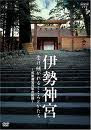
Purportedly the home of the Sacred Mirror, the shrine is arguably one of Shinto's holiest and most important sites.
© More in the WIKIPEDIA !
shinbyoo 神廟 Shinbyo, "a sacred place for the deity". another name for the Ise Jingu Shrine.
Also used for other great shrines or shrines that hold the remains of a dead deified person, for example Tokugawa Ieyasu.
The Grand Shrine at Ise is closely related to the rice culture of Japan, with its own rice fields for ritual purposes and a "sacred dining hall" for the deities.
. The Japanese Rice Culture and Ise Shrine .
Shinguu shinden 新宮神田 Shingu rice fields for the deities (at Shingu shrine)
mikeden 御鐉殿 "the sacred dining hall"
. shinden 神田 / saiden 斎田 rice paddies for rituals .
source : Ise Jingu - Shingu shrine
. shinshi 神使 the divine messenger .
at Ise Jingu is niwatori 鶏 the rooster.
:::::::::::::::::::::::::::::::::::::::::::::::::::::::::::::::::::::::::::::::::::::::::::::::::::
Reiheishi れいへいし【例幣使】
An envoy who was sent from the Imperial court to the Grand Shrines of Ise (Ise Jingū) to present offerings (hōbei 奉幣) for the Kannamesai.
Also referred as Ise no reiheishi. A reiheishi was one type of royal "messenger" (hōbeishi) who brought offerings to shrines. From the medieval period onwards, the presentation of offerings for the Kannamesai was referred to as reihei (regular offerings), and thus the envoy was called a reiheishi.
It was customary to dispatch the messenger on the eleventh day of the ninth month. The chief messenger was selected by divination from amongst the Ō clan. Officials of the Jingikan (Department of Divinities) surnamed Nakatomi, Inbe, or Urabe accompanied him. The first recorded reiheshi was sent in 721.
The practice was discontinued after the Ōnin Disturbance (1467-77), but was revived in 1647 in the Edo Period. However, prior to this (in 1646) the Nikkō reiheishi was initiated. This was a practice in which the court sent messengers to the "main ceremony" (reisai) held at the Tōshōgū in Nikkō where Tokugawa Ieyasu was enshrined. During the Edo period, this latter reiheishi was better known, and thus in contemporary documents the word reiheishi usually implies Nikkō reiheishi.
Offerings of heihaku made to shrines and imperial tombs by order of the Emperor. The term also refers to an envoy who bore these offerings, (alternatively called the hōbeishi). The characters can also be read as hōhei.
The hōbei usually accompanied an imperial message (senmyō) but the paper used for the message differed according to the shrine: for example, the paper used for The Grand Shrines of Ise was a deep blue (hanada-iro), and that for Kamo Shrine was crimson (kurenai-iro), while for other shrines, yellow paper was used.
After the Ōnin War (1467-1477) they ceased entirely, except for the offerings sent to the Grand Shrines of Ise.
Currently hōbei are sent to Ise Shrine and the other venues of imperial rites known as chokusaisha and also to imperial mausolea for Shikinensai memorial rites. Envoys who carry offerings from the Association of Shintō Shrines (Jinjahonchō) to various shrines are currently called kenpeishi.
source : Inoue Nobutaka . Kokugakuin University.
kigo see below
.................................................................................
Kan'namesai かんなめさい【神嘗祭】 Kannamesai
. . . CLICK here for Photos !
A rite at the Ise Shrines celebrating the imperial lineage’s divine ancestry by offering first fruits to Amaterasu Ōmikami on the seventeenth day of the tenth month; the harvest festival of those shrines.
the emperor was to dispatch the imperial ritualist (hōbeishi) on the eleventh day of the ninth lunar month to perform the offering in the Daigokuden (which was known as the Koyasumidono in ancient times). The term reihei, referring to the imperial tribute offered in this ritual, first appears in the fifth year of the Yōrō era (721).
on the seventeenth day of the ninth month, within the palace the formal rite (haishiki) was to be performed at Kōtai Jingū and the “distant rite” (yōhai) was to be performed at upper and middle palaces by the one-hundred ministers of the court. This proclamation rested on the view that, in rites for the imperial ancestors, the Kashikodokoro (because it enshrines the yata no kagami, or sacred imperial mirror) was spiritually linked to the Ise Shrines; and thus the Kashikodokoro was regarded as a substitute (godaigū) for the Ise Shrines within the palace. Thus, on the day of the kannamesai festival, both “worship from afar” and direct worship of the imperial ancestors by the emperor himself (shinsai) were performed within the imperial palace.
With the change to the solar calendar, the seventeenth of the ninth month fell at a time when the harvest had not yet ripened, so in 1878 the ritual was moved to October.
source : Nakanishi Masayuki . Kokugakuin University.
shintōistisches Erntedankfest
:::::::::::::::::::::::::::::::::::::::::::::::::::::::::::::::::::::::::::::::::::::::::::::::::::
kigo for all spring

. Ise Mairi 伊勢参り Ise Shrine Pilgrimage
Ise sanguu 伊勢参宮(いせさんぐう)
O-kage mairi お陰参り (おかげまいり)"Thanks pilgrimage" or "blessing pilgrimage"
nuke mairi 抜参(ぬけまいり)leaving secretly and beg your way to Ise
saka mukae 坂迎え(さかむかえ)
isekoo 伊勢講(いせこう)Ise Shrine Group
daidai koo 太々講(だいだいこう)... see below for Kagura dance
:::::::::::::::::::::::::::::::::::::::::::::::::::::::::::::::::::::::::::::::::::::::::::::::::::
kigo for early summer

Ise kanmiso no matsuri
伊勢神御衣祭 いせかんみそのまつりjinngunkanmisosai 神宮神御衣祭(じんぐんかんみそさい)
miso no matsuri 御衣祭(みそのまつり)
kanso matsuri 神衣祭(かんそまつり)
offerings of summer garments
to the deities at Ise shrine
. . . CLICK here for Photos !
. . . . .

Ise no o-taue 伊勢の御田植 (いせのおたうえ)
planting rice at Ise
mitamatsuri 御田祭(みたまつり)
"festival of the honorable rice fields"
... omitamatsuri, o-mita matsuri お御田祭(おみたまつり)
Yamada no o-taue 山田の御田植(やまだのおたうえ)
planting rice at Yamada
otaue ogi 御田扇(おたおうぎ) fan for the planting rice ceremony
Before the official rice planting at the small town of Yamada, offerings of rice, fish and fruit are made to the deities. Then the priests and shrine maidens plant the rice which will be harvested by them in autumn and then used for the offerings at the shrine.
Used to be on May 20, but now a sunday close do this date.
In the village of Isobe, it is done on June 24.

When the planting is over, two priest with large fans perform a dance along the path between the rice paddies.
Performed at the Izo no Miya, see below.
:::::::::::::::::::::::::::::::::::::::::::::::::::::::::::::::::::::::::::::::::::::::::::::::::::
kigo for mid-autumn

Ise gosenguu 伊勢御遷宮 (いせごせんぐう)
transposition of the shrine's sanctuary
. . . . . gosenguu 御遷宮(ごせんぐう)Gosengu Ceremony
This takes plase every 20 years, started more than 1300 years ago.
The shrine buildings at the Naiku and Geku, as well as the Uji Bridge, are rebuilt every 20 years. This is part of the Shinto belief of the death and renewal of nature and the impermanence of all things (wabi-sabi). It is also an opportunity to pass on building techniques from one generation to the next.
The next rebuilding of Ise Shrine is due in 2013.
tootosa ni mina oshi-ainu gosenguu
For holiness,
Everyone has pushed others in the crowd.
The Shrine Removal !
Tr. Oseko
Discussion and more Haiku about Holiness by
. Matsuo Basho 松尾芭蕉 - Archives of the WKD .
MORE - hokku about visiting the Ise Shrine
. Matsuo Basho 松尾芭蕉 - Archives of the WKD .
The 62nd Jingu Shikinen Sengu in 2013 伊勢式年遷宮
- - - Details
. WKD : Jingu Shikinen Sengu in 2013 .
.................................................................................
kigo for late autumn
reihei 例幣 (れいへい) imperial envoy
Ise Hoohei 伊勢奉幣(いせほうへい) Imperial Envoy to Ise
kanname no matsuri 神嘗祭 (かんなめのまつり)
kannamesai 晩秋 神嘗祭(かんなめさい)
shinjoosai 神嘗祭(しんじょうさい)
. Kurama no hi matsuri 鞍馬の火祭 Kurama Fire Festival
also called kanname sai 神嘗祭
October 22
explanation see above
:::::::::::::::::::::::::::::::::::::::::::::::::::::::::::::::::::::::::::::::::::::::::::::::::::
kigo for mid-winter
Daijinguu fuda kubari
大神宮札配 (だいじんぐうふだくばり)
presenting amulets from Daijingu

From the shrine Koo Daijingu 皇大神宮 amulets 大麻(taima)(お札) are presented to the other Ise shrines in Japan.
The head priest of each shrine will then give them to the parishioner families.
In olden times, priests would walk all the way throughout Japan.
kigo for late winter
Saiguu no ema 斎宮絵馬 (さいぐうのえま)
votiv tablets from Saigu
Itsuki no miya no ema 斎宮絵馬(いつきのみやのえま)
At the Emado hall of votive tablets at the Saigu Shrine in Mie, 多気郡明和町, this ritual is held at the last day of the year of the lunar calendar.
The old ema are replaced and the good or bad luck for the coming year is foretold.

Ise saiguu 伊勢斎宮
This shrine is about 20 km away from the main Ise shrine.
:::::::::::::::::::::::::::::::::::::::::::::::::::::::::::::::::::::::::::::::::::::::::::::::::::
observance kigo for the New Year
. Hatsu Ise 初伊勢 First visit to the Ise Shrine

chakkirako ちゃっきらこ / チャッキラコ Chakirako dance festival
hatsu Ise odori 初伊勢踊 first Ise dance
hiyari odori 日やり踊
sagichoo odori 左義長踊 Sagicho Dance
At the shrine Kainan Jinja 海南神社 in Miura Peninsula Kanagawa.
On January 15.
The women come together, sing and dance.
They make a sound with special bamboo tools (ayadake 綾竹) which sounds like
chakkirako .
. sagichoo 左義長 Sagicho fire and dance .
:::::::::::::::::::::::::::::::::::::::::::::::::::::::::::::::::::::::::::::::::::::::::::::::::::
:::::::::::::::::::::::::::::::::::::::::::::::::::::::::::::::::::::::::::::::::::::::::::::::::::
伊勢大神楽 Ise-ookagura Ise Ookagura
Ise Ookagura is a theatrical dance in the Shinto religion. The dance troupes traveled around remote areas for those who could not visit and worship at the Ise Shrine. The history of Ise Ookagura dates back more than 600 years.
The performance is composed of two elements: “dance” from shishi-mai lion dance and “music” called houkagei, which later became known as Daidougei or street performance.
Ise Ookagura starts with a slow and elegant bell dance, followed by the Shiguruma Dance and the humorous Leap Dance, in which Sarutahiko (a monkey boy) jumps around a sleeping shishi lion.
The houkagei music performance has a wide repertory, including the Music of Ayatori (“cat’s cradle”) in which performers manipulate wooden poles freely and the Music of Plates, in which performers do dish-spinning tricks with long poles, to pray for a rich harvest. Between the performances, houkagei performers and a clown act comically together. The performance then finishes with Rankyoku music.
Ise Ookagura was designated an Important Intangible Cultural Asset by the Japanese government in 1983. Ise Ookagura, which originally started with 12 troupes, is still preserved by a handful of troupes that travel around Japan to pass down their historical culture to future generations.
source : nippon-kichi.jp

Ise Daikagura
Ise Daidai Kagura 伊勢 大々神楽 (だいだいかぐら)
. WKD : Ise Kagura
:::::::::::::::::::::::::::::::::::::::::::::::::::::::::::::::::::::::::::::::::::::::::::::::::::::
Ise Ondo 伊勢温度 Ise Song and Dance

Ryuryukyo Shinsai (1764 – 1820)
This is one of the most famous folk songs and dances. It spread over most of Japan because the Ise Pilgrims have been singing it.
- quote -
Ise Ondo Koi no Netaba 伊勢音頭恋寝刃
The Ise Dances and Love's Dull Blade
The drama "Ise Ondo Koi no Netaba" was premiered in the 7th lunar month of 1796 in Ôsaka, produced at the Kado no Shibai by the zamoto Fujikawa Hachizô III].
The play is loosely based on a real killing spree which took place in Furuichi (aburaya Sôdô), and which caused a sensation, about two months before the play's premiere in the 7th lunar month of 1796. The murders that inspired it having taken place in summer, "Ise Ondo" is a "summer play", with characters wearing light cotton yukata and using fans, and the Aburaya House of Pleasure's curtains being decorated with patterns of flowing water and floating bowls.
- Full text of all scenes :
Scenes no longer normally staged
Penultimate scene of Act I: by a jizô statue in a field
Last scene of Act I: Futami-ga-Ura
Final scene of Act II (which is not normally performed): within the precincts of the Ise Shrine
Act III, Scene 1: a room in the Aburaya House of Pleasure in Furuichi
Act III, Scene 2: in inner courtyard at the Aburaya
Act IV - versions
- source : kabuki21.com -

CLICK for more kabuki photos !
. Japanese Legends - 伝説 民話 昔話 – ABC-List .
A legend from Nara, 橿原市 Kashihara town
A man named 惣五郎 Sogoro once finished planting a large rice field, when he found a young fox dead by the field side. So he burried the poor animal and said prayers for its soul.
At night he heard voices of five or six people at the door, calling out:
"Hey you rice-planter Sogoro, we pulled them all out!"
It must have been the parents of the young fox, who by mistake thought he had killed their child.
Sogoro took pity on them too, sat by the field and explained the events again and again.
That night he heard the voices again, singing the Ise Ondo and then telling him:
"Sorry we pulled your plants out! But now, they are all replanted!"
Next morning he found some 鏡餅 offerings in front of his door and all the fields were planted as before.
- reference : Nichibun Yokai Database -
:::::::::::::::::::::::::::::::::::::::::::::::::::::::::::::::::::::::::::::::::::::::::::::::::::::
Izoo no Miya 伊雜宮 Izo no Miya
伊雜宮
Izawa no Miya 伊雑宮(いざわのみや)Izooguu いぞうぐう
磯部の宮、磯部の大神宮さん
This is a separate shrine within the Ise compound, where the Taue field-planting takes place.

葉月潮 伊雑の宮を さしてゆく
hazukijio Izoo no miya o sashite yuku
The tides of August
coming on a pilgrimage
to the Izoo Shrine.
. Yamaguchi Seishi 山口誓子 .
Composed 1976.
In August the great tides of the Pacific Ocean roll into Matoya Bay and, after passing through a narrow strait, enter the Izoo Lagoon. A god is enshrined at the Izoo Shrine there, and the great tides come all that way to worship the god.
Tr. Kodaira & Marks
There is now a beautiful red bridge over Matoya Bay 的矢湾大橋 and a memorial stone with this haiku by Seishi.
source : www.kanko-shima.com
. WKD : hazuki 葉月 (はづき) leaf month, .

source : facebook
太一は天の中心に位置する北極神と解され、天皇大帝や昊天上帝といった至高神と同定されることもあった。
大団扇(おおうちわ)の「太一」
大団扇が立てられている右方向に伊雑宮の森があり、絵の船はお宮に向って進んでいるように描かれています。
*****************************
Worldwide use
*****************************
Things found on the way
. WASHOKU
Ise udon 伊勢うどん served at the shrine Ise Jingu
awabimeshi, awabi-meshi あわびめし rice with abalone
Ise ebi 伊勢エビ料理 lobster from Ise
Ise takuan 伊勢たくあん pickles radish from Ise
Itoin Senbei, ito-in senbei 絲印煎餅 Senbei with a "stamp like a thread"
Manjuu kaidoo 饅頭街道 Manju Road
. WASHOKU
Local Dishes from Mie 三重県の郷土料理
. Toyouke Oomikami 豊受大神 (とようけおおみかみ) .
Toyouke Omikami, Toyoukehime no Kami
The goddess of agriculture and industry in the Shinto religion.
Worshipped at the Lower Shrine, Gegu 下宮 in Ise.
She offers food to Amaterasu.
and
an explanation about the chigi 千木 "1000 roof beams" of a Shinto shrine.
:::::::::::::::::::::::::::::::::::::::::::::::::::::::::::::::::::::::::::::::::::::::::::::::::::::
. Eto 干支 Zodiac Animal Amulets .
. shinkei 神鶏土鈴 sacred rooster clay bells
from the Great Ise Shrine
. Folk Toys from Mie .
*****************************
HAIKU
gekuu, gekū 外宮 outer shrine complex of Ise
naikuu, naikū 内宮 inner shrine complex of Ise
伊勢神宮 Ise Jingu, Ise Grand Shrine
. WKD : Ise - Geku and Naiku - and HAIKU .
:::::::::::::::::::::::::::::::::::::::::::::::::::::::::::::::::::::::::::::::::::::::::::::::::::::::::::::::::
春めくや人さまざまの伊勢まいり
haru meku ya hito samazama no Ise mairi
spring in full swing -
everyone has his own way
of visiting the Ise shrine
Yamamoto Kakei 山本荷兮
慶安元年(1648)~享保元年(1716)
doctor from Nagoya
From the Poem Collection "Days of spring" 春の日.
:::::::::::::::::::::::::::::::::::::::::::::::::::::::::::::::::::::::::::::::::::::::::::::::::::
. WKD : Kobayashi Issa 小林一茶 .
おのづから頭が下る也神ぢ山
onozukara zu ga sagaru nari Kamiji yama
by itself
my head bows...
Mount Kamiji
Tr. David Lanoue
A hill dedicated to the sun goddess Amateru, Mount Kamiji is located in a garden in the inner precincts of Ise shrine. Since Issa composed the poem in First Month in Shinano Province, 300 kilometers north of Ise shrine, he must have relied on memory and imagination when composing this haiku.
Issa bows to the sacred hill. More accurately, "the head, by itself" is bowing without conscious intention on the part of the poet. For this reason, I first translated zu ga sagaru literally as "the head bows," rather than "my head bows." However, in a note on a similar haiku in which a head "by itself bows," Shinji Ogawa writes that first person, "my head," preserves the poem's intensity in English.
David Lanoue

Kamijiyama 神路山 Mount Kamijiyama, about 400 m high
神垣や白い花には白い蝶
kamigaki ya shiroi hana ni wa shiroi choo
fence of the Gods -
a white butterfly
on a white flower
Tr. Gabi Greve
inverting lines 2 and 3 for more fluent English
. kamigaki 神垣 the "Fence of the Gods" to the inner shrine .
*****************************
Related words
. 'O-Ise-san in Tokyo' - 東京大神宮 Tokyo Daijingu .
BACK : Top of this Saijiki
. Ise 伊勢と伝説 Legends about the Shrine at Ise .
. Ise-Shima 伊勢志摩 と伝説 Legends about Ise-Shima .
:::::::::::::::::::::::::::::::::::::::::::::::::::::::::::::::::::::::::::::::::::::::::::::::::::::::::::::::::::::::::::
[ . BACK to DARUMA MUSEUM TOP . ]
[ . BACK to WORLDKIGO . TOP . ]
:::::::::::::::::::::::::::::::::::::::::::::::::::::::::::::::::::::::::::::::::::::::::::::::::::::::::::::::::::::::::::


 Posts
Posts


25 comments:
Tuesday, May 8, 2012
Emperor's daughter becomes special priestess at Ise Shrine
TSU, Mie Pref. —
Ise Shrine said Monday that Sayako Kuroda, 43, the daughter of Emperor Akihito and Empress Michiko, has assumed the post of special sacred priestess it established for a notable event next year.
Kuroda, who was known as Princess Nori before she married commoner Yoshiki Kuroda, took the post on April 26 in order to assist 81-year-old Atsuko Ikeda, the Emperor's older sister and the most sacred priestess at the Mie Prefecture shrine, which honors the ancestral gods of the Imperial family, in presiding over rituals.
Kuroda will serve until the October 2014 end of a series of festivities for the Shikinen Sengu event, in which symbols of the gods are transferred to a new shrine building that is reconstructed every 20 years. Ikeda took up her post in 1988. The new post was created to help her due to her advanced age.
Kuroda, who was also formerly known as Princess Sayako, left the Imperial family when she got married.
The most sacred priest or priestess serves the Sun Goddess, Amaterasu Omikami, on behalf of the Emperor and leads Shinto priests at the shrine. The post has been held by current or former Imperial family members.
http://www.japantimes.co.jp/text/nn20120508a4.html
Matsuo Basho at Ise Shrine 伊勢神宮
Nozarashi Kiko
三十日月なし千年の杉を抱く嵐
misokatsuki nashi sennen no sugi o idaku arashi
Oin no Kobumi
何の木の花とはしらず匂かな
nan no ki no hana to wa shirazu nioi kana
Matsuo Basho
涅槃会や皺手合する数珠の音
Nehan-e ya shiwade awasuru juzu no oto
Nehan Ceremony -
wrinkled hands in prayer and
the sound of rosary beads
Tr. Gabi Greve
Written at
. Ise shrine 伊勢神宮 Ise Jingu .
During this time, the distinction between Buddhist temple and Shinto shrine was not so distinct and many religious places housed both.
蓬莱に聞かばや伊勢の初便り
hōrai ni / kikabaya Ise no / hatsu dayori
Matsuo Basho
神垣やおもひもかけず涅槃像
kamigaki ya omoi mo kakezu Nehanzoo
within the fence of the shrine -
what a surprise to find
(a statue of) Buddha lying down to die
Matsuo Basho
.
門に入れば蘇鉄に蘭のにほひ哉
mon ni ire ba / sotetsu ni ran no / nioi kana
Matsuo Basho
御子良子の一本ゆかし梅の花
okorago no / hitomoto yukashi / ume no hana
Matsuo Basho
okorago
伊勢神宮で、神饌(しんせん)を調える子良(こら)の館(たち)に仕える少女.
. Ise Ichi no Miya 伊勢一の宮 - Ise Jinguu 伊勢神宮 Ise Jingu .
神々の伊勢一の宮お元日
松崎鉄之介
Ichi no Miya shrines
Mark Teeuwen
Restoring Historicity to Shinto: The Case of Ise
It is not such a long time ago that Shinto was widely regarded as a timeless feature of Japaneseness, affected by historical change only on a superficial level. Recently, however, a range of scholars have sought to overcome such essentialism by putting the abstract concept of Shinto to one side, and focusing instead on the impact of Shinto on selected sites, rites, and myths at specific historical junctions. By restoring the concrete contexts of “Shintoization,” such studies expose the historicity of supposedly timeless practices and notions and reveal the motivations and strategies of human agents both in adopting or imposing Shintoization in the real world, and indeed in developing the concept of Shinto in the first place.
To a great extent, Shintoization has taken the form of assimilation to the imperial shrines of Ise. Ise, however, is itself not an a-historical phenomenon. In post-Meiji times, new visions of Shinto have been applied most drastically to Ise, and the site has then served as a model for similar reforms at other shrines. Ise, therefore, has not only been a passive object of Shintoization, but also the main pioneer and referent of the concept of Shinto itself. In fact, “Shinto” was first conceptualized at Ise, by Ise priests.
In this talk, I will pinpoint the concrete historical circumstances in Ise surrounding the early emergence of some fundamental Shinto orientations, leading to the first tentative conceptualization of Shinto in the Kamakura period.
Mark Teeuwen
.
http://www.ikga.oeaw.ac.at/Events/Restoring_historicity_to_Shinto
Shinto’s kami and jinja seeking world acceptance
by Minoru Matsutani
Ise Jingu (伊勢神宮, Ise Jingu Shrine) has recently published a sasshi (冊子, booklet) in English, titled “Soul of Japan — An Introduction to Shinto and Ise Jingu.”
The news was picked up by some Japanese media because the shrine used, for the first time, words such as kami (神, God or deity), matsuri (祭り, festival) and jinja (神社, shrine), rendering them untranslated in romaji (ローマ字, Roman letters), instead of using their English equivalents.
Ise Jingu and Jinja Honcho (神社本庁, Association of Shinto Shrines) copublished the booklet in April. Their aim is to make Shinto-related words such as kami known to the outside world, just as judo (柔道) and ninja (忍者) already are.
While it is doubtful that jinja will suddenly be erected in Europe or that anime featuring kami and matsuri will be aired on Saturday-morning cartoon programs, Ise Jingu’s tantōsha (担当者, person in charge) thinks that ki wa jukushita (機は熟した, the time is ripe.)
“(The word) Shinto has already become known. It is time for us to sekkyokuteki ni (積極的に, proactively) hasshin suru (発信する, transmit) other words related to jinja and Shinto so their honrai no (本来の, true) meaning can be widely understood,” an Ise Jingu spokesman said.
The booklet “Soul of Japan” says that a deity is a god in a tashinronteki (多神論的, polytheistic) belief system, and thus deity is a somewhat appropriate translation of kami. However, Ise Jingu and Jinja Honcho want to differentiate kami from the deities of other religions.
“It’s not wrong to say kami are Shinto deities. But a deity is not a very common word, and we thought using the word kami was more appropriate. So we may as well spread the word ‘kami,’ and want people in the world to know kami as kami,” the spokesman said.
Moreover, in explaining to Japanese people what God or a deity is, we probably have to use the world kami because there is no other better Japanese word. To clarify the difference between God and a deity in Japanese, you basically need to say that God is isshinkyō no kami (一神教の神, monotheistic “God”) and that a deity is tashinkyo no kami (多神教の神, a polytheistic deity).
http://www.japantimes.co.jp/life/2013/06/03/language/shintos-kami-and-jinja-seeking-world-acceptance/#.UavijtiGe41
After Ise Jingu and Jinja Honcho published the booklet, all other jinja in Japan will probably follow suit because the two bodies are effectively the official organizations for jinja.
Following the move, the city of Ise in Mie Prefecture changed its traffic signs in line with the English description of the booklet.
The booklet explains that Shinto teaches that there are kami in the mountains, forests and other things. There are yaoyorozu no kami (八百万の神, 8 million kami), as a saying goes. Mountains and forests are the origin of jinja, the booklet explains.
Kami derived from nature, such as the kami of rain, the kami of wind, the kami of mountains, the kami of the sea and the kami of thunder have a deep relationship with our lives and profound influence over our activities. Individuals who have made a great contribution to the state or society may also be enshrined and revered as kami, according to the booklet.
The booklet also shows with text and drawings how to perform temizu (手水, purifying one’s hands and mouth with a wooden dipper before approaching the main sanctuary of a shrine, basically the act of washing hands and gargling) and the etiquette when praying to kami. Shrines usually have stone water basins for temizu.
On the J-Cast News website a gengogaku senmon no daigakukyōju (言語学専門の大学教授, professor specializing in linguistics) said that words describing a Japanese concept that does not exist outside Japan are easily absorbed into English. For example, the term emoji (絵文字, a combination of letters that looks like a drawing) is often used in English.
Interestingly, Toyota Motor Corp.’s kaizen (改善, improvement) is now used in English, the website says. The word kaizen became noticed when Japanese automakers outperformed global rivals , such as General Motors, in 2000s and the global automobile industry were trying to learn from Toyota’s business methods.
Linguistic experts also say that such Japanese-English words tend to be adopted if they are shikaku ni uttaeru mono (視覚に訴えるもの, lit: something appealing to sight, but actually a tangible thing) or jissai ni taikan dekiru mono (実際に体感できるもの, something you can actually experience).
For example, the words “anime” and “manga” are now used worldwide because people can watch and read them. And the Japanese word “tsunami” became a universal word after the English term “tidal wave” failed to correctly describe the horrors people saw after the 2004 Indian Ocean tsunami.
It is unknown if kami and jinja will reach the same level of recognition as ninja and judo. But those words will certainly spread little by little if Shinto kankeisha (神道関係者, people involved in the world of Shinto) continue to spread their gospel.
http://www.japantimes.co.jp/life/2013/06/03/language/shintos-kami-and-jinja-seeking-world-acceptance/#.UavijtiGe41
.
餅焼いて神木の箸こがしけり
mochi yaite shinboku no hashi kogashikeri
as I grill rice cakes
the chopsticks of divine wood
get burned . . .
Suzuki Yaeko 鈴木ヤエコ
.
Grand Shrine at Ise, prepare special chopsticks from the divine trees for rituals or sell them as amulets to people.
MORE about shinboku, divine trees
.
男一度は伊勢と吉原
otoko ichido wa ise to yoshiwara
a real man
must visit Ise once
and Yoshiwara
senryu about Yoshiwara 吉原 pleasure quarters in Edo
.
Date Name of the Ceremony Objectives of the Ceremony
January 1st Saitan-sai The ceremony to celebrate the start of the New Year.
January 3rd Genshi-sai The ceremony to celebrate the foundation of Japan by Ninigi-no-mikoto, grandson of Amaterasu Omikami.
January 7th Showa-Tenno-sai-yohai On the day when the late Showa Emperor passed away, a ceremony in memory of the Emperor is conducted in Jingu, parallel to the ceremony performed in the Kyuchukoreiden of the Imperial Palace.
January 11th Ichigatsu-juichinichi-mike
The ceremony to offer sacred food to Amaterasu Omikami and all other deities in Jingu at the Yojoden of the Naiku, followed by a performance of ceremonial music and dances at the Gojoden of Naiku.
January 11th Kenkokukinen-sai The ceremony to celebrate the foundation of the nation and to pray for its further development.
February17th through
February 23rd Kinen-sai The ceremony to offer prayers for a plentiful harvest. It is composed of two ceremonies: the one is held to make prayers when the sacred food is served, the other when the Imperial envoy offers the sacred silk and other materials to the kami in the name of the Emperor.
copyright2001
Jingu Administration Office
(c)jingu-shicho
(Enlarged photo)
March
Equinox Misono-sai The ceremony is held at the Misono fields in Jingu to pray for a plentiful harvest of vegetables and fruits.
March
Equinox Shunki-koreisai-yohai Paralleling the ceremony to pray for the Imperial ancestors in the Imperial Palace, this ceremony is held in Jingu in memory of the Imperial ancestors.
Early in April Shinden-geshu-sai The ceremony related to the Kanname-sai, where the rice that later would serve at the Kanname-sai and other ceremonies is sowed in the sacred paddies.
April 3rd Jinmu Tenno-sai-yohai On the day when the 1st Emperor Jinmu passed away, paralleling with the ceremony held at the Imperial Palace, a ceremony called yohaishiki is conducted here in Jingu.
May 1st Kanmiso-hoshoku-hajime-sai The ceremony related to the Kanmiso-sai, for weaving both the sacred silk and the sacred hemp at Naiku and the sanctuary Aramatsuri-no-miya is held.
May 13th Kanmiso-hoshoku-chinsha-sai The ceremony to give thanks for the completion of weaving both the sacred silk and sacred hemp beautifully is held.
May 14th Kazahinomi-sai This ceremony where prayers are offered for fair weather and adequate rain for a rich rice harvest by offering sacred materials such as twigs with silk, traditional raincoats and hats made of straw and formerly used in agriculture, is conducted in May and August.
copyright2001
Jingu Administration Office
(c)jingu-shicho
(Enlarged photo)
May 14th Kanmiso-sai Twice a year, in May and October, the sacred silk, and the sacred hemp are offered at Naiku and Aramatsuri-no-miya to become the clothing for Amaterasu Omikami. According to Japanese mythology, Amaterasu Omikami had used a handloom in Heaven.
copyright2001
Jingu Administration Office
(c)jingu-shicho
(Enlarged photo)
Early in May Shinden-otaue-hajime-shiki The ceremony of transplanting the rice at the sacre paddies that is to be served at the Kanname-sai.
June 1st Misakadono-sai The ceremony to address prayers to the kami of sake to pray for good fermentation of the sake served in the three great ceremonies of Tsukinami-sai in June and in December, and Kanname-sai in October.
June 15th Okitamanokami-sai
The ceremony to worship Okitamanokami who is the kami protecting the land of the main sanctuary. It is performed at the Naiku prior to the Tsukinami-sai in June and in December, and Kanname-sai in October.
June 15th Miura The ritual is held at the Naiku to establish by divine divination the suitability of the priests to officiate at the ceremonies of Tsukinami-sai in June and December, and Kanname-sai in October.
- - -
http://www.isejingu.or.jp/shosai/english/maturi/maturi2.htm
.
June 15th
through
June 25th Tsukinami-sai This is one of the most important ceremonies at Jingu. It is composed of two parts: Yukino-omike Ceremony, the offering of sacred food twice a night, 10:00 P.M. and 2:00 A. M., and the Hoheisai ceremony, where sacred silk and other materials are offered at noon. They are followed by similar ceremonies at Betsugu and other small sanctuaries.
June 30th Oharai On the last day of a month preceding a month of important ceremonies, a ceremony to purify the priests of Jingu and the court musicians is held. Especially in June and December, a Purification Ceremony for all the staff is conducted.
copyright2001
Jingu Administration Office
(c)jingu-shicho
(Enlarged photo)
August 4th Kazahinomi-sai The ceremony to offer prayers and twigs with silk for fair weather and a bountiful harvest.
Early in September Nuibo-sai The ceremony to harvest the beautifully grown shieves of rice at the sacred paddies. The shieves are later offered at the kanname-sai.
September
Equinox Shuki-koreisai-yohai Similar to the Shunki-koreisai-yohai ceremony in March.
October 1st Misakadono-sai The same as in June 1st.
October 1st Kanmiso-hoshoku-hajime-sai The same as on May 1st.
October 5th Mishiodono-sai To offer prayers that excellent salt for use in various ceremonies can be made, and that the people engaged in producing the salt are protected.
October 13th Kanmiso-hoshoku-chinsha-sai The same as on May 13th.
October 14th Kanmiso-sai The same as on May 14th.
October 15th Okitamanokami-sai The same as on June 15th.
October 15th Miura The same as on June 15th.
October 15
through
October 25th Kanname-sai The annual cycle of ceremonies culminates in the Kanname-sai, the most important ceremony in Jingu. It consists of three parts. At first, nocturnal offerings of sacred food are presented in the Yukino-omike ceremony. Then, the Imperial envoy presents sacred offerings of silk and other materials in the Hoheisai ceremony. Finally, ceremonial court music and dance are dedicated to the kami in the Yojoden at night after the Hoheisai ceremony.
Yukino-yubeno-omike ・Geku 15th, 10:00 PM
・Naiku 16th, 10:00 PM
copyright2001
Jingu Administration Office
(c)jingu-shicho
(Enlarged photo)
Yukino-ashitano-omike ・Geku 16th, 2:00 AM
・Naiku 17th, 2:00 AM
Hohei ・Geku 16th, noon
・Naiku 17th, noon
Mikagura ・Geku 16th, 6:00 PM
・Naiku 17th, 6:00 PM
November 23rd
through
November 29th Niiname-sai The Niiname-sai ceremony in Jingu is composed of both Omikesai and Hoheisai. These ceremonies are conducted in the name of the Emperor. The Niiname-sai is held parallel to the ceremony at which the Emperor officiates and offers the newly harvested rice to Amaterasu Omikami in the Imperial Palace. By partaking of the food offered he ritually receives the deity's blessings.
copyright2001
Jingu Administration Office
(c)jingu-shicho
(Enlarged photo)
December 1st Misakadono-sai The same as on June 1st.
December 15th Okitamanokami-sai The same as on June 15th.
Miura The same as on June 15th.
December 15th
througth
December 25th Tsukinami-sai The same as in June.
.
http://www.isejingu.or.jp/shosai/english/maturi/maturi2.htm
The ceremonies related to Jingu Taima (talisman) and the calendar
Date Name of the Ceremony Objectives of the Ceremony
January 8th Taima-reki-hosei-hajime-sai The ceremony is held to announce to the kami the start of producing the Jingu Taima (talisman) and the Jingu traditional calendar.
March 1st Taima-reki-hampu-shuryo-sai The ceremony is held in Kaguraden at Naiku to report to the kami that the distribution of Jingu Taima and the calendar has been completed.
Middle in April Taima-yozai-kirihajime-sai Before starting to cut the wood to be made into Jingu Taima, the ceremony to offer the sacred food is conducted at the site of Maruyamasaijo on the top the mountain beyond Uji Bridge.
September 17th Taima-reki-hanpu-hajime-sai The ceremony is held at Kaguraden, Naiku to report to the kami the beginning of the distribution of Jingu Taima and the calendar to worshipers.
copyright2001 Jingu Administration Office
(c)jingu-shicho
(Enlarged photo)
December 20th Taima-reki-hosei-shuryo-sai The ceremony is held to report the completion of making Jingu Taima and the calendar at the end of the year.
Often Taima-shuhatsu-shiki
.
http://www.isejingu.or.jp/shosai/english/maturi/maturi2.htm
Uji Jinja 宇治神社
Uji Imazaikecho, Ise-city, Mie - 三重県伊勢市宇治今在家町172
.
and
ashigamisan 足神さん Ashi no Kamisama
Deity for Strong Legs
.
Kobayashi Issa
representing their village, they make a pilgrimage to Ise Shrine --
おとし厄馬につけたりいせ参り
otoshi yaku uma ni tsuketari Ise mairi
onto the horse
they load bad luck
for the gods in Ise
Tr. Chris Drake
Read the comment by Chris !
Local beer from Ise
Sinto Beer from Ise
Ise Pilsner 伊勢ピルスナー
Local beer from Japan
jibiiru, local beer, regional beer 地ビール
.
Mingei - toy
kibikiguruma 木曳き車 car for hauling wood
Hauling the wood for the new shrine for the regular Ise Shrine renewal, 御木曳 okibiki, o-kibiki
To celebrate sunrise, 日が昇る, prayers are sent to
. Ise Jingu 伊勢神宮 Ise Grand Shrine .
Amaterasu Omikami is a deity in charge of all things that humans can see.
To celebrate sunset, 日が沈む, prayers are sent to
. Izumo taisha 出雲大社 Grand Shrine at Izumo .
and Hinomisaki Shrine 日御碕神社 close by at the beach.
Okuninushi (Daikoku) is a deity in charge of all things that humans can not see, especially relationships and feelings.
目に見えない世界 - 神事(かくれたること)
.
Details
万九千神社 Mankusen Jinja
next to Tachimushi Jinja 立虫神社
.
Matsunoo Taisha 松尾大社 Matsunoo Grand Shrine - Matsuno'o Taisha
and sake brewing
.
http://japanshrinestemples.blogspot.jp/2015/04/matsunoo-taisha.html
Larry Bole on facebook wrote:
Matsuo Basho:
tootosa ni mina oshiainu gosenguu
for holiness,
everyone's been shoving each other;
the Shrine Renewal
trans. Barnhill
Barnhill includes this headnote, by Basho:
"The Inner Shrine had already been moved, but I worshipped at the Outer Shrine during its Ritual of Renewal."
Barnhill's note on the haiku:
"Autumn: Ritual of Renewal, 1689 (mid-Ninth Month; late October). Both the Inner and the Outer Shrines at the Grand Shrine of Ise are rebuilt every twenty years. In 1689, after the journey chronicled in 'Narrow Road to the Deep North', Basho went to witness the ritual of changing from the old to the new shrines. He arrived on the 11th of Ninth Month, one day after the renewal ritual for the Inner Shrine.
The ritual for the Outer Shrine was on the 13th."
.
Edo, Tokyo Isechoo 伊勢町 Isecho, Ise district
中央区 Chuo ward 日本橋 Nihonbashi 日本橋室町一〜四丁目 and 日本橋本町一〜四丁目
.
Along the river Nihonbashigawa 日本橋川, between the bridges 道場橋 Dojobashi and 雲母橋 Kirarabashi (Kirara-bashi).
This part was called Isechokashi 伊勢町河岸 Ise river bank.
.
https://edoflourishing.blogspot.com/2018/06/isecho-ise-district.html
.
Legend from Akita
Ise mairi 伊勢詣 pilgrimage to Izu
This pilgrimage was very popular in the Edo period.
If someone had killed ants, his boat would capsize on his Izu pilgrimage.
.
https://heianperiodjapan.blogspot.com/2019/07/ari-ant-legends.html
.
Post a Comment