11/29/2010

Shitenno-Ji Osaka

[ . BACK to WORLDKIGO TOP . ]
:::::::::::::::::::::::::::::::::::::::::::::::::::::::::::::::::::::::::::::::::::::::::::::::::::

Festivals at Temple Shitenno-Ji - 四天王寺

***** Location: Osaka
***** Season: See below
***** Category: Observance


*****************************
Explanation

Shitennō-ji 四天王寺 is a Buddhist temple in Osaka, Japan.
1-11-18 Shitennoji,Tennoji-ku, OsakaCity


Prince Shōtoku is said to have constructed this temple in 593. It is the first Buddhist and oldest officially administered temple in Japan, although the temple buildings have been rebuilt over the centuries. Most of the present structures are from when the temple was last completely rebuilt in 1963.

The Shitennō are the four heavenly kings. The temple Prince Shōtoku built to honor them had four institutions, each to help the Japanese attain a higher level of civilization. This Shika-in (四箇院, Four Institutions) was centered around the seven-building garan (伽藍) (the complex inside the walls), and included a Kyōden-in (Institution of Religion and Education), a Hiden-in (Welfare Institution), a Ryōbyō-in (Hospital), and a Seiyaku-in (Pharmacy) to provide essential care to the people of Japan.

The temple has been called Arahaka-ji, Nanba-ji, or Mitsu-ji.
Shitennō-ji is home to a major flea market on the 21st of each month.
© More in the WIKIPEDIA !


. Shotoku Taishi 聖徳太子 and Daruma .

quote by Time Magazine
Of 202 Buddhist sanctuaries in Osaka's Tennōji district, there is one that stands out - Shitennōji, the first Japanese temple commissioned by a royal (Prince Shōtoku Taishi) and one of the oldest Buddhist complexes in Japan. Construction began in + 593, just decades after the religion reached the country's shores. One of the carpenters for Shitennoji, Shigemitsu Kongo, traveled to Japan from the Korean kingdom of Paekche (Paekje 百済) for the project.

Over a millennium-and-a-half, Shitennoji has been toppled by typhoons and burned to the ground by lightning and civil war -- and Shigemitsu's descendants have supervised its seven reconstructions. Today, working out of offices that overlook the temple, Kongo Gumi Co. is run by 54-year-old president Masakazu Kongo, the 40th Kongo to lead the company in Japan. His business, started more than 1,410 years ago, is believed to be the oldest family-run enterprise in the world.

MORE is here
- Mark Schumacher -


:::::::::::::::::::::::::::::::::::::::::::::::::::::::::::::::::::::::::::::::::::::::::::::::::::

kigo for mid-winter

Tennooji doosojin matsuri 天王寺道祖神祭
Dosojin Festival at temple Tenno-Ji

hagi matsuri 剥祭(はぎまつり)"left-out festival"
dorojijiri matsuri 泥くじり祭(どろくじりまつり)

On November 16 at the temple Tenno-Ji in Osaka.
Also at the temple Shinkooin 真光院(しんこういん)Shinko-In.
During the Edo period, stone Buddha statues were offered raw herring and the face smeared with white rice flour. Mikan wrapped in sasa grass leaves and straw were also offered.
In the evening the straw and grass was burned until the face of the deity was all black and people danced around the stone.

Three days before this event, children hang a rope over the way and ask for money if people want to pass. If they do not pay, they are "left out".
This festival was said to have an evil influence on the education of children and was later abolished.

Most temples in other parts of Japan celebrate this festival on January 14 or February 8.


. Dosojin 道祖神 the Wayside Gods .

.................................................................................

kigo for all winter


. Tennoo-Ji kabu 天王寺蕪(てんのうじかぶ)
turnips from temple Tenno-Ji .

Brassica campestris

They are also called Ukikabu 浮き蕪.
They are the roots of another vegetable, the Nozawana 野沢菜.

:::::::::::::::::::::::::::::::::::::::::::::::::::::::::::::::::::::::::::::::::::::::::::::::::::

kigo for the New Year
sometimes placed for "late winter"

Doya Doya どやどや Doyadoya Festival
January 14, from 2 to 4 pm


A ritual at the end of the Shushoo-e 修正会 - a memorial service starting January 1st and dedicated to world peace and rich harvests - the event is said to date back to as early as 827.

Two groups of young men in white and red loincloth and headbands wrangle in front of the temple to get the sacred amulet of the cow deity and some banknotes from the temple.
They are showered with water by the onlookers to cheer them further.

One of the three great festivals of Japan.

.................................................................................

Tennooji shoojin ku 天王寺生身供 (てんのうじしょうじんく)
Birthday Ritual
shari dashi 舎利出し(しゃりだし)"showing of the sacred bones"


Ceremony from January 5 to 14. (Nowadays till January 12)
At the Hall for Shotoku Taishi the birthday of the Prince if celebrated.

On this day food of 100 flavors are offered. An auspicious script says

毎日御精進供を献ず
"Every day we will offer ritual food"


source with more photos : osaka-asoblog.jp

The sacred bones of the prince are shown in the morning.
There are six pieces of bones and six strings of his hair,
kept in the great pagoda


六道利救の塔

.................................................................................

Tennooji Kondoo choona hajime
天王寺金堂手斧始 (てんのうじこんどうちょうなはじめ
first use of the carpenter's ax


On January 11
The main officials and shrine carpenters, clad in traditional robes, performed the first ritual cut in a tree placed at the shrine.

MORE
. choona hajime 手斧始 (ちょうなはじめ)
first use of the carpenter's ax .


:::::::::::::::::::::::::::::::::::::::::::::::::::::::::::::::::::::::::::::::::::::::::::::::::::

Other important festivals, not kigo

April 22
聖霊会 大阪市天王寺

June
30日~7月2日 愛染祭り

July
12日 生国魂神社夏祭り Ikukunitama Jinja Summer Festival

August
11~12日 生国魂神社 薪能 Ikukunitama Jinja Takagi Noh

. Ikukunitama Jinja 生國魂神社 / 生国魂神社 .
nickname : Ikutama-san いくたまさん

:::::::::::::::::::::::::::::::::::::::::::::::::::::::::::::::::::::::::::::::::::::::::::::::::::


amulet with 元三大師 Ganzan Daishi
Ganzan Daishi is celebrated on November 3.
The amulet prevents evil influence and helps to learn and pass examinations.
He is also called
tsuno daishi 角大師 Great Teacher with Horns

. 元三大師 Ganzan Daishi .

.................................................................................


sange 散華 "scattered blossoms"
blossom-shaped amulets for good luck, with paintings by
Sugimoto Kenkichi 杉本健吉
source : Temple Homepage

. sange 散華 "scattering blossoms" amulets .

*****************************
Worldwide use

*****************************
Things found on the way


. Legends and Tales from Japan 伝説 - Introduction .

The Seven Wonders of Shitenno-Ji 
四天王寺 七不思議


龍の井、亀の水、二股竹、石橋、虎の門の猫、樋がない

umegaeda no choozubachi 梅ケ枝の手水鉢 hand wash basin
(no photos to be found)

. Nanafushigi, nana fushigi 七不思議 "The Seven Wonders" in Japan .

Gokuraku no Higashi Mon Gate 極楽の東門
.......................................................................
gama 蝦蟇
桓武天皇の延暦3年5月、蝦蟇が2万匹ばかり難波の南から四天王寺の境内に入りどこかに行った。

.......................................................................
Hidari Jingoro 左甚五郎
neko no mon 猫の門 "Cat Gate"
. carving of a sleeping cat 木彫りの猫 .

.......................................................................
kaeru gassen 蛙合戦
桓武天皇の延暦3年5月に、蝦蟆が2万匹ほど集まり、四天王寺に行った後ことごとく去ったという。これを蛙合戦という。

.......................................................................
Kunara taishi setsuwa クナラ太子説話
クナラ太子は目を抉られて王国を追放された。後に無実が判明した時,人々が経を聞いて流す涙を集めて太子の眼を浸し,眼窩に入れると太子の視力は回復した。

.......................................................................
moria no basson 守屋の末孫 The Descendants of Mononobe Moriya
ある人によれば、物部守屋の末孫の家が四天王寺東門外に今もあるという。末孫は、四天王寺聖霊会の時、素袍袴を着て烏帽子を被り、六時堂の階の下に出ると聞く。

.......................................................................
reimu 霊夢
奥州忍の里に住むタカソトハノタケトシが,息子を光明寺に入れる。息子は光明寺一の学匠となり,比叡山に移ることになった。その頃叡山の高僧は,山王権現から「東から来る童子を弟子とすれば山門の誉れとなる」との霊夢を授かっていた。果たして息子は一大学匠となり,後に盲目の父母と再会を果たす。息子は慈覚大師であり,観音菩薩の化身である。

.......................................................................
reisen 霊泉,逆浪,鳥,蛇
この地にある亀井の霊泉は、1300余年経っても涸れることがない。かつてこの地に四天王寺が創立されていた時、逆浪があふれ鳥蛇が集まって堂宇を破壊した。そこで25年後、今の地に移転して、再び伽藍を建立したという。

.......................................................................
shiryoku no kaifuku 視力の回復
ある貧女が我が子を捨てる。子は高僧に拾われて僧となり,父母を探すため四天王寺で連日説法を行った。ついに僧は盲目となっていた母と再会し,母のため三宝諸天に祈祷を捧げる。すると母の目が元のように開いた。

.......................................................................
warauchiishi 藁打石
この丘の上には、兼好法師の藁打石という石があった。享和元年の四天王寺回禄の際、近村より礎石となる石を集めたところ、この石も持って行かれた。ところが、怪事が起こったので、石は元の場所に戻されたという。

“pon pon ishi” (literally “tap tap stone.”) ぽんぽん石
the Cat Gate 猫の門
the Dragon’s Well 龍の井戸
the Onigawara (roof ridge tiles that typically depict Japanese ogre) of the five-story pagoda 五重塔の鬼瓦
Kitaganedo 北鐘堂
the Stone Coffin Cover 長持形石棺蓋
- reference source : metronine.osaka/en/article -

.......................................................................
- - - - - Reference

- source : nichibun yokai database -

source : youkai.tou3.com - seven wonders photos

:::::::::::::::::::::::::::::::::::::::::::::::::::::::::::::::::::::::::::::::::::::::::::::::::::::


- Sange 散華 from Japan - Photos -


銀花散る散華一葉ひらひらと
ginka chiru sange ichiyo hirahira to

silver flowers scatter -
one blossom leaf amulet
glittering, glittering


source : jun_uem

sange should get a page of their own !


:::::::::::::::::::::::::::::::::::::::::::::::::::::::::::::::::::::::::::::::::::::::::::::::::::::

Tenno-Ji temple in Akita

July
7日 天王寺の蜘蛛の舞い
秋田県天王町

*****************************
HAIKU


about the four deities
SHITENNŌ = Four Heavenly Kings

The Shitennō are Buddhist protectors of the four directions. They ward off evil, guard the nation, and protect the world from malicious spirits, hence the Japanese term Gose Shitennō 護世四天王, literally “four world-protecting deva kings.”
Each represents a direction, season, color, virtue, and element.

MORE
- Mark Schumacher -


彼岸会の四天王寺に蛇使ひ
higan-e no Shitennoo-ji ni hebi tsukai

at the equinox ceremony
of temple Shitenno-Ji
a snake charmer


Ootsubo Keishoo 大坪景章 Otsubo Keisho


鳩吹くや亀が集まる四天王寺
遠藤寛太郎


はま弓や当時紅裏四天王
Kikaku 其角

四天王の家々ゆゝし菖蒲葺く
中川四明

夏雲や鬚大いなる四天王
角田よし子

牛祭火に護られて四天王
五十嵐播水

source : HAIKUreikuDB

:::::::::::::::::::::::::::::::::::::::::::::::::::::::::::::::::::::::::::::::::::::::::::::::::::::::::::::::::::::::::::


亀井不動 Kamei Fudo in the compound of Shitenno-Ji


source : Masayoshi - facebook


. Fudō Myō-ō, Fudoo Myoo-Oo 不動明王 Fudo Myo-O
Acala Vidyârâja – Vidyaraja – Fudo Myoo .


*****************************
Related words

***** . Deities of the Four Directions .
The 12 Heavenly Generals 十二神将 :

Bishamonten 毘沙門天
Vaishravana ~ Heavenly King of the North

Jikokuten 持国天
Dhritarashtra ~ Heavenly King of the East

Zochoten (Zoochooten)増長天
Virudhaka ~ Heavenly King of the South

Komokuten (Koomokuten) 広目天
Virupaksha ~ Heavenly King of the West


. Amulets and Talismans from Japan . 

BACK : Top of this Saijiki

:::::::::::::::::::::::::::::::::::::::::::::::::::::::::::::::::::::::::::::::::::::::::::::::::::::::::::::::::::::::::::

[ . BACK to DARUMA MUSEUM TOP . ]
[ . BACK to WORLDKIGO . TOP . ]

:::::::::::::::::::::::::::::::::::::::::::::::::::::::::::::::::::::::::::::::::::::::::::::::::::::::::::::::::::::::::::

11/12/2010

Kozan-Ji and Saint Myoe

[ . BACK to WORLDKIGO TOP . ]
:::::::::::::::::::::::::::::::::::::::::::::::::::::::::::::::::::::::::::::::::::::::::::::::::::

Kozanji (Koozanji 高山寺)

***** Location: Kyoto
***** Season: See below
***** Category: Observance


*****************************
Explanation

This temple is most famous for the autumn leaves.


quote
Kozan-ji Temple, being also called as Toganoo-san, belongs to the Shingon school of Buddhism and is dedicated to Shaka Nyorai Buddha. It was registered as one of the UNESCO World Heritage Sites in Kyoto in 1994.

Primary attraction of this temple would be a national treasure, Sekisui-in building. Replicas of national treasures are displayed in the building. Those are the "Choju Jinbutsu Giga 鳥獣戯画巻", a series of animal caricatures said to have been drawn by Toba Sojo (1053-1140), and
a painting called "Myoe Shonin Jujo Zazen-zu 明恵上人".

Kozan-ji holds a large number of treasures, including about 10,000 Important Cultural Assets as well as eight National Treasures including those mentioned above.

Tradition has it that Kozan-ji was founded in 774 by the order of the Emperor Konin (709-782 光仁天皇), at which time the temple was named "Shingan-ji Togaobo 貞観寺". It is said that the name was changed to Kozan-ji after the temple was revived in 1206 by priest Myoe (1173-1232) as a training hall for reviving the Kegon school of Buddhism by the order of the retired Emperor Gotoba (1180-1239).

Priest Myoe was given a few seeds of tea plant by Zen master Eisai (1141-1215) and planted them in the temple's ground at the beginning of the Kamakura Period (1192-1333), launching the spread of tea cultivation throughout the country. In recognition of this history, tea producers from Uji make an offering of new tea in front of the temple's Shoninbyo mausoleum each year on November 8th.
source : takao/kozanji.htm

.................................................................................


Kozan-Ji, Golden Hall

Jingo-ji houses a diagram of Kōzan-ji that was drawn in 1230, some 20 years after it was constructed. The diagram is registered as an important cultural property, because it shows the original layout of the temple. From the diagram, we know that Kōzan-ji originally consisted of a large gate, a main hall, a three-storied pagoda, a hall dedicated to Amitabha, a hall dedicated to Lohan, a bell tower, a scripture hall, and a Shinto shrine dedicated to the tutelary deity of the area. However, all of these buildings have since been destroyed, save for the scripture hall, which is now known as Sekisui-in.

In addition to Sekisui-in, today's Kōzan-ji also contains a main hall (originally part of Ninna-ji, relocated to Kōzan-ji) and a hall dedicated to the founding of the temple, which houses an important carved wooden bust of Myōe. Both of these buildings, however, are modern reconstructions.
-  More in the WIKIPEDIA !

:::::::::::::::::::::::::::::::::::::::::::::::::::::::::::::::::::::::::::::::::::::::::::::::::::

observance kigo for early winter

Toganoo mushi kuyoo 栂尾虫供養 (とがのおむしくよ)
memorial service for the bugs at Toganoo


On the 12th and 13th of the tenth lunar month (now November)

The farmers from the region would offer prayers to Amida (nenbutsu 念仏講) for the souls of the bugs they had to kill during the rice-growing season.

:::::::::::::::::::::::::::::::::::::::::::::::::::::::::::::::::::::::::::::::::::::::::::::::::::


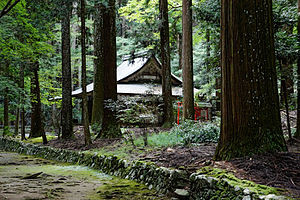
Myoe Shonin 明恵上人 (1173-1232)
Saint Myo-e
was a high-ranking monk of the Kegon Sect of Buddhism and was active in the beginning of the Kamakura period. He was much admired as a priest of virtue for his profound learning and noble deeds. Myoe Shonin was born to a distinguished family in Kii Province (present-day Wakayama and Mie Prefectures). He lost his parents as a child, and went to Kyoto to live with his uncle Jogaku, who was a monk at Jingoji Temple in Mt. Takao. At age 16, he renounced the world and was initiated into Buddhism at Todaiji Temple in Nara, whereupon he took the name Myoebo Joben. From the age of 36, he became known as Koben.

Myoe then returned to his homeland to leave the worldliness of this world and led a rigorous life of religious training in the Yuasa Bay area. During this time, it is said that Myoe attempted to go to India for the love of Buddha, but the deities enshrined in Kasuga Shrine prohibited him from embarking on this trip. With the slogan "Return to Buddha," he tried to proselytize people to the Kegon Sect. In 1206, the retired Emperor Gotoba granted him land in Toganoo that belonged to Jingoji Temple, where he built Kozanji Temple. He was benevolent and loved nature and all living beings. Myoe was a capable calligrapher, too.
A Zen priest named Eisai gave Myoe some tea seedlings, with which Myoe successfully cultivated tea in the hills of Toganoo.

He recorded his dreams for forty years from the age of nineteen through fifty-eight (1191-1230), because he believed that dreaming is a type of learning. The record that he made is
Yume no ki 夢記 (Records of Dreams).

Yume no ki is also known as On-yume no ki or On-yume on-nikki. Originally, Yume no ki comprised 17 scrolls, seven books, and 28 sheets of unbound pages, but two scrolls came to the attention of the public, subsequently called Yume no ki, which are especially treasured.


夢記切(夢記断簡)明恵上人筆

The present piece was written on the 25th day of the tenth month of 1229, when he was 57 years of age. The strokes are vigorous, and white light emanating from a flower vase, symbolizing a goddess of India, is drawn in the margin. Typically he used waste paper back, and illustrated pieces such as the present work are highly valued.
source : Miho Museum

.................................................................................

Monastic Regulations promulgated by Myoe


In the wooden tablet at Kōzan-ji Temple mentioned above, Myoe listed the following regulations to all monks, divided into three sections:

As Appropriate
Etiquette in the Temple Study Hall
Etiquette in the Buddha-Altar Hall

- - More in the WIKIPEDIA !

:::::::::::::::::::::::::::::::::::::::::::::::::::::::::::::::::::::::::::::::::::::::::::::::::::::


Statue of Myoe, Seated

Annual Festivals:


The oldest tea house of Japan


The famous scroll of the frolicking animals.
Choojuu-giga scrolls (choju giga) 鳥獣戯画


- Map of the Temple Compound

Homepage of the Temple
source : www.kosanji.com ...

.................................................................................

Choju Giga Scroll Slide Show
http://www.kokingumi.com/ChojuGiga/

Here is our FROG in an archery contest
http://www.kokingumi.com/ChojuGiga/17.html
http://www.kokingumi.com/ChojuGiga/18.html


Carrying offerings
http://www.kokingumi.com/ChojuGiga/26.html

Frog and wild boar
http://www.kokingumi.com/ChojuGiga/37.html

Chasing the Monkey
http://www.kokingumi.com/ChojuGiga/43.html

Wrestling with the Rabbit
http://www.kokingumi.com/ChojuGiga/53.html
http://www.kokingumi.com/ChojuGiga/56.html


Finally Frog Buddha and the Monkey
http://www.kokingumi.com/ChojuGiga/66.html

This scroll is one of the fore-runners of Japanese Manga !

*****************************
Worldwide use

*****************************
Things found on the way


Myoe the Dreamkeeper:
Fantasy and Knowledge
in Early Kamakura Buddhism

George Tanabe

In the Kamakura period, Myoe Shonin (1173-1232) was a leader of Nara Buddhists who sought to revitalize traditional Buddhism in Japan. In his teaching, Myoe specially emphasized the value of the visions that could be achieved through meditation; and in his practice, he kept and occasionally illustrated a diary of his own visions and significant night dreams. The autograph copy of this remarkable document still exists, although some pages have been scattered among collectors.
George J. Tanabe, Jr., here presents in English the most comprehensive compilation of the diary in any language. Moreover, his study of Myoe's life and teachings provides both a context within which the diary can be understood and a view of the often doctrinally contentious world of Kamakura Buddhism.
source : www.amazon.com

:::::::::::::::::::::::::::::::::::::::::::::::::::::::::::::::::::::::::::::::::::::::::::::::::::::


source : hiori-note


あかあかやあかあかあかやあかあかや
あかあかあかやあかあかや月


aka aka ya
aka aka aka ya
aka aka ya
aka aka aka ya
aka aka ya tsuki

bright so bright
bright bright so bright
bright so bright
bright bright so bright
bright so bright moonshine


source : kakinumaism.jugem.jp

The poem by Myoe is not about the redness of the moon,
but about the bright, light moonshine.

*****************************
HAIKU


高山寺楓の芽吹きはじまれり
Koozanji kaede no mebuki hajimareri

temple Kozan-Ji -
the maple trees just beginning
to bud


Fujisaka Komeko 藤坂込め子

.................................................................................


石段をよぎる雉子あり高山寺
ishidan o yokogiru kiji ari Koozanji

there is a pheasant
crossing the stone steps -
temple Kozan-Ji


Nomura Hakugetsu 野村泊月 (1882 - 1961)


More haiku about this temple


お茶の実がしんしん冷ゆる高山寺 高澤良一 宿好
ハンケチを捩ぢて憩へり高山寺 川崎展宏
一頻り萩刈る音か高山寺 高澤良一 宿好
子鴉の今日から鳴くや高山寺 大峯あきら 宇宙塵
旅びとに斎の柚味噌や高山寺 水原秋櫻子
水引がすいと目に入る高山寺 高澤良一 宿好

老鶯や峯より晴れて高山寺 川澄祐勝
萩萌えて戯画の鳥獣親しくす(高山寺) 河野南畦
虫たべに来て鳥涼し高山寺 宇佐美魚目 天地存問
雛の軸かけて栂尾高山寺 大石悦子 群萌

高山寺ちひさき蛇にあひにけり(栂尾) 細川加賀
高山寺夏の雨きて縁ぬらす 安養白翠
高山寺雲の下り来し茶を摘めり 河前 隆三

source : HAIKUreikuDB

:::::::::::::::::::::::::::::::::::::::::::::::::::::::::::::::::::::::::::::::::::::::::::::::::::

observance kigo for the New Year

Shari-Ko 舎利講 Prayer Meeting for Buddha's bones

January 15
At temples of the Shingon Sect. It was introduced by Saint Myoe.

SAIJIKI – NEW YEAR OBSERVANCES

:::::::::::::::::::::::::::::::::::::::::::::::::::::::::::::::::::::::::::::::::::::::::::::::::::::::

Myōan Eisai, Myooan Eisai 明菴栄西 Myoan Eisai
(May 27, 1141 – July 2, 1215)

was a Japanese Buddhist priest, credited with bringing the Rinzai school of Zen Buddhism and green tea from China to Japan. He is often known simply as
Eisai Zenji (栄西禅師), literally "Zen master Eisai".
- More in the WIKIPEDIA !

. Cha no Hijiri 茶の聖 Eisai, the Saint of Tea .

. Seiganji 清岩寺 Seigan-Ji - Fukuoka .
Founded by Eisai

*****************************
Related words

***** . Saints and their Memorial Days .  

. Amulets and Talismans from Japan . 

BACK : Top of this Saijiki

[ . BACK to WORLDKIGO . TOP . ]
:::::::::::::::::::::::::::::::::::::::::::::::::::::::::::::::::::::::::::::::::::::::::::::::::::::

10/14/2010

Kebesu Festival

[ . BACK to WORLDKIGO TOP . ]
:::::::::::::::::::::::::::::::::::::::::::::::::::::::::::::::::::::::::::::::::::::::::::::::::::

Kebesu festival (kebesu sai)

***** Location: Kunisaki Peninsula, Oita
***** Season: Late Autumn
***** Category: Observance


*****************************
Explanation

CLICK for more photos


Kebesu Festival is a fire festival held at
Iwakura Hachiman Shrine in Kunimi-machi,
Kunisaki City, Oita Pref. on October 14.

The origin of the word “kebesu” is not clear; some say it comes from a phrase in a norito (Shinto prayer) referring to “a boy who kicks fire.”Other say it is a local pronounciation of the deity Ebisu.


CLICK for more photos  kunisaki.blog


On the festival night, the “Kebesu,” who is wearing a grotesque mask, walks around the precinct, hitting the stick called “Samasuta” with a fan and dashes toward the holy bonfire. Then some men called “Toba トウバ” in white costume try to guard the fire and repeatedly fight with Kebesu for fire. Toba run after the spectators with burning fern in their hands. It is said that if the sparks fall on you, you will be good in health throughout the year.

The festival is designated as a prefecture’s Intangible Folk Cultural Property.
This is one of the few unique festivals in Japan.

source : nippon-kichi.jp


CLICK for more English photos

Before participating in the festival, all menfolk clad in white walk to the sea shore and take a purifying dip in the cold water.

The man performing the KEBESU of this year puts on a mask and then the priest of the shrine makes the sign of kebes on the back of the kneeling person, to put the deity inside his human body.
After the festival, kebesu kneels again and the priest writes the word MAN on his back.

It is a great honour to be choosen as the kebesu of the year.


大分県国東市国見町櫛来の岩倉社
櫛来社(くしくしゃ)

Kebesu Matsuri ケベス祭り


*****************************
Worldwide use


*****************************
Things found on the way


kunimi 国見 "looking at the country"
There are many places with this part in the name.
My favorite is Kunimi Onsen hot spring in Iwate.

It goes back to olden times, when the local priest-shaman went to the top of a nearby hill and looked down to foretell the events and the harvest for the coming year. By looking at the cherry trees and buds and praying to them, he could make predictions about the harvest. This is one of the sources of the cherry-blossom activities in Japan.


*****************************
HAIKU


Kebesu festival -
the sparks fall out
of my TV screen

Gabi Greve


*****************************
Related words

***** Fire festivals, fire ceremonies
(hi matsuri 火祭り)


BACK : Top of this Saijiki

[ . BACK to WORLDKIGO . TOP . ]
:::::::::::::::::::::::::::::::::::::::::::::::::::::::::::::::::::::::::::::::::::::::::::::::::::::

Nada Kenka Matsuri

[ . BACK to WORLDKIGO TOP . ]
:::::::::::::::::::::::::::::::::::::::::::::::::::::::::::::::::::::::::::::::::::::::::::::::::::

Nada Fighting Festival (Nada no Kenka Matsuri)

***** Location: Himeji, Hyogo
***** Season: Late Autumn
***** Category: Observance


*****************************
Explanation

October 14th and 15th
Matsubara Hachiman Shrine
Shirahama-cho Ko, Himeji City, Hyogo Prefecture

姫路 松原八幡神社


灘のけんか祭り

This is the biggest "fighting festival" in Japan.

The night of the tenth lunar month was the full moon night of Autumn in the Asian lunar calendar.

CLICK for more photos

quote
Portable shrines fiercely jolted against one another produce breathtaking scenes befitting a 'Fighting Festival'

It came to be called by this name, Kenka Matsuri or 'Fighting Festival' because the mikoshi (portable shrines) are jolted against one another when carried on the shoulders of the men in the parade.

There are no detailed rules or opponents for the vehement collisions of the portable shrines. As soon as the portable shrines are set properly on the men's shoulders and everyone is ready, they are knocked against one another at random, and the moment a portable shrine is hoisted on top of another, the contest is over.

The greatest attraction is the struggle among 3 portable shrines when men over 35 wearing white headbands, those of 26-35 with yellow headbands and youths under 26 marked by red headbands, holding bamboo poles in their hands, join in the fight. A vehement struggle unfolds but this is in no way a fight between the men. This festival, which is the largest of the numerous fighting festivals held nationwide, is not only famous in Japan but is also becoming widely known overseas.

The highlight of this festival is Yatai-neri, the parade of "yatai", festival floats, gorgeously decorated with wood carving, gold and silver handiwork and embroidered curtains. The yatai are carried on the shoulders of men and are surrounded by the men holding "shide" (bamboo poles decorated with colorful paper) in their hand. As dusk sets in, illuminations on each of the yatai are lit.
source : www.jnto.go.jp


:::::::::::::::::::::::::::::::::::::::::::::::::::::::::::::::::::::::::::::::::::::::::::::::::::


There are seven districts of the town which carry their own highly decorated portable shrines (yatai 屋台) in the procession. The shrines are very heavy and are pulled and pushed on wheels. More than 3000 men take part in the various processions, and all children are proud when they are allowed to participate for the first time.
A famous group of lion dancers and drums accompany the procession.
The yatai come from 木場、松原、八家、妻鹿、宇佐崎、中村. The seventh village group does not participate, but carries the three large banners of the deities.
The yatai rub each other (neriawase 練り合わせ). When it gets dark, each yatai is decorated with lanterns.


CLICI for original link and more photos
三の丸・一の丸・二の丸 Boat three, one and two

The three portable shrines for the final fighting are much lighter and made for destruction. Every year before the festival it takes their bearers about one month to repair them, only to carry them out on the festival day to be destroyed again.
The three "boats" carry the three deities

Hondawake no mikoto 品陀和気命(ほんだわけのみこと)- Ojin Tenno (son of Jingu) in the center (later to be deified as Hachiman)

Okinagatarashi hime no mikoto
息長足姫命(おきながたらしひめのみこと)
- Emperess Jingu on the left

Hime Ookami 比咩大神(ひめおおかみ)- wife of Hachiman

The legend of the shrine tells about a fisherman from Mega, who found a plank on the shore with the inscription "Great Bosatsu Hachiman"
八幡大菩薩 and a shrine was erected to honor this plank, which was supposed to come from Usa Jingu. (See Jingu, link below.)

. . . . .


The origin of these fighting mikoshi, which are counted boats (maru) in this shrine, dates back to the Emperess Jingu Kogo 神功皇后 (Jinguu Koogoo), who was on a war expedition against Korea when she passed Himeji. The boats of her entourage were covered with oyster shells and she thought a quick way to remove them would be to bang and rub the boats against each other.
Today's "fight" is in memory of this legend.


On the evening before the main festival (yoi miya 宵宮, yoi no miya 宵の宮), all the portable shrines are paraded around town and to the main shrine. Before participating, the men have to take an ablution in the cold waters of the sea at Shirahama 白浜町.


On the second day of the festival (honmiya 本宮) the portable shrines first carried around to "wipe off the dew" (tsuyu harai 露払い), together with the lion dancers and drums.


CLICK for more photos

Then they are carried up a steep slope in the west of the compount, to a "travel station" 御旅山 with the main Hachiman Shrine as an offering for the deities.
When coming back they have to pass the Sakura Gate of the Shrine, which is so low that part of the roof decoration has to be taken down before they can pass and get the blessing of the Shinto priest.

When they are back in the shrine compound, the real fight of the three boats begins, often lasting until late in the night, until all the boats are brought to fall on the ground. The men are quite exhausted from carrying the heave loads all day long, but they never give up.


CLICK for more photos

The portable shrine bearers are called "neriko 練り子. They wear a special amulet in the color of their group around their arms 腕守り, given to them by mother or wife, for protection against injuries in the heavy battles. A nearby hospital is on stand-by just in case. There have been two cases of death by being crushed in recent years.


CLICK for more photos

Many visitors are lined up in seats around the main "arena" in the temple ground and along the roads.


:::::::::::::::::::::::::::::::::::::::::::::::::::::::::::::::::::::::::::::::::::::::::::::::::::::


. Emperess Jingu and the Hachiman Cult  

. Jingu Kogo 神功皇后 and Japanese Dolls .


*****************************
Worldwide use


*****************************
Things found on the way


*****************************
HAIKU


灘けんか祭 Nada Kenka Matsuri


秋晴を来る総代の黒羽織
akibare no kuru soodai no kuro haori

in autumn sunshine
the representatives in their
formal black coats

Asazuma Chikara 朝妻力
source : 俳誌のsalon


:::::::::::::::::::::::::::::::::::::::::::::::::::::::::::::::::::::::::::::::::::::::::::::::::::


*****************************
Related words

***** WKD : Autumn Festival (aki matsuri)


BACK : Top of this Saijiki

[ . BACK to WORLDKIGO . TOP . ]
:::::::::::::::::::::::::::::::::::::::::::::::::::::::::::::::::::::::::::::::::::::::::::::::::::::

10/09/2010

Otsu Matsuri

[ . BACK to WORLDKIGO TOP . ]
:::::::::::::::::::::::::::::::::::::::::::::::::::::::::::::::::::::::::::::::::::::::::::::::::::

Otsu Festival (Ootsu matsuri)

***** Location: Otsu, Japan
***** Season: Autumn
***** Category: Observance


*****************************
Explanation


Ootsu Matsuri 大津祭 Otsu festival, Otsu Matsuri

Nishi no miya matsuri 四宮祭(しのみやまつり)
Festival of shrine Nishi no Miya


:::::::::::::::::::::::::::::::::::::::::::::::::::::::::::::::::::::::::::::::::::::::::::::::::::::

Otsu matsuri poster


quote
One of Shiga's major festivals featuring thirteen ornate floats displayed and paraded around central Otsu over two days before Sports Day, a national holiday around Oct.

The first day of the festival has the floats parked and displayed on the streets and lit up at night. The first day of the festival is called Yoimiya . 宵宮

During the first day, the karakuri mechanical puppets are removed from the floats and displayed on street level. The karakuri ningyo puppets are a major highlight of the floats and festival. The puppets perform on the floats during the procession. karakuri ningyoo からくり人形

The Otsu Matsuri has thirteen floats called hikiyama. Each one belongs to a different neighborhood in central Otsu. Each float has a name and features ornate carvings, tapestries, paintings, and other art work. 曳山


In 1596, Shiouri Jihei (塩売 治兵衛) wore a tanuki mask and danced during a Tenson Shrine festival. People liked his dancing so much that they built a float two years later and Jihei danced on it.

Tapestry designated as an Important Cultural Property.
The Trojan War (from Greek mythology) is depicted.

The second day of the Otsu Matsuri Festival is called the Honmatsuri, featuring a procession of the thirteen floats as the festival climax. The highlight are the performances by the karakuri mechanical dolls on the floats. 本祭り

They also threw chimaki to the crowd. Chimaki are small bundles of straw wrapped with a thin hand towel. They were all blessed by Tenson Shrine. ちまき

With many splendid photos
source : photoguide.jp


:::::::::::::::::::::::::::::::::::::::::::::::::::::::::::::::::::::::::::::::::::::::::::::::::::::


CLICK for more photos

On each float, there are three types of musical instruments.
The gong is played by young schoolchildren, the big drum is hit by older schoolchildren and the flute is played by students and grown-ups.

The mechanical devices are moved by four young boys, who crawl inside the doll and move the spear or the water, for example.

To turn such a large float in the small streets of Otsu, the float is stopped and then the front part lifted to drag it around at an angle to reach the next small street.

The floats are constructed each year from the parts, it takes about one week to finish them, like a puzzle with wooden joints only.


shrine Nishinomiya 四宮神社 / Tenson 天孫(四宮)神社
shrine Tenson Jinja 天孫神社


. . . CLICK here for Photos !


Reference : Otsu Matsuri


:::::::::::::::::::::::::::::::::::::::::::::::::::::::::::::::::::::::::::::::::::::::::::::::::::


CLICK for more photos

Otsu Hikaru-kun おおつ光ルくん

In memory of Hikaru Genji, the hero of the Tales of Genji.
He is even on pudding and other food items.


.................................................................................


CLICK for more photos

Otsu Chimakichi ちま吉 for good luck
chimaki are a food item for good luck in the coming year, rice wrapped in gree leaves. In Otsu, even the tramway is green.


*****************************
Worldwide use


*****************************
Things found on the way


. Otsu-E 大津絵 Illustrations from Otsu    


. The Tale of Genji, Genji Monogatari ... and haiku  

.......................................................................


Ootsu matsuri no dashi 大津祭りの山車 festival float


They are made from strong cardbord (ボール紙), like the float toys from Nagahama.
But they are not made any more.


. Shiga Prefecture Folk Art - 滋賀県 .

*****************************
HAIKU


*****************************
Related words

***** . Karakuri ningyoo からくり人形 mechanical dolls .


BACK : Top of this Saijiki

:::::::::::::::::::::::::::::::::::::::::::::::::::::::::::::::::::::::::::::::::::::::::::::::::::::::::::::::::::::::::::

[ . BACK to DARUMA MUSEUM TOP . ]
[ . BACK to WORLDKIGO . TOP . ]

:::::::::::::::::::::::::::::::::::::::::::::::::::::::::::::::::::::::::::::::::::::::::::::::::::::::::::::::::::::::::::

8/25/2010

Ota Dokan and Edo

[ . BACK to WORLDKIGO TOP . ]
:::::::::::::::::::::::::::::::::::::::::::::::::::::::::::::::::::::::::::::::::::::::::::::::::::

Ota Dokan Memorial Day

***** Location: Japan
***** Season: Early Autumn
***** Category: Observance


*****************************
Explanation

DOOKAN, Ota Dokan, Oota Dookan 太田道灌

(1432-1486)
Died 文明18年7月26日(1486年8月25日 August 25)

CLICK for more photos

:::::::::::::::::::::::::::::::::::::::::::::::::::::::::::::::::::::::::::::::::::::::::::::::::::

observance kigo for early autumn

Dookan Ki 道灌忌 (どうかんき) Dokan Memorial Day


CLICK for more photos

The famous monomizuka is at the temple Hongyo-Ji 本行寺, see haiku below.
Dookan monomizuka 道灌物見塚.

:::::::::::::::::::::::::::::::::::::::::::::::::::::::::::::::::::::::::::::::::::::::::::::::::::

Ōta Dōkan 太田 道灌
1432 - August 25, 1486
also known as Ōta Sukenaga (太田 資長) or Ōta Dōkan Sukenaga, was a Japanese samurai warrior-poet, military tactician and Buddhist monk. Ōta Sukenaga took the tonsure as a Buddhist priest in 1478, and he also adopted the Buddhist name, Dōkan, by which is known today.

Dōkan is best known as the architect and builder of Edo Castle (now the Imperial Palace) in 1457, in what is today modern Tokyo; and he is considered the founder of the castle town which grew up around that Ōnin era fortress.

Dōkan met an untimely end at Uesugi Sadamasa's home in Sagami (modern-day Kanagawa) after he was falsely accused of disloyalty during a period when the Uesugi family struggled through an internal clan conflict. His death poem is as follows:

Kakaru toki
sakoso inochi no
oshikarame
kanete nakimi to
omoishirazuba

Had I not known
that I was dead
already
I would have mourned
the loss of my life.
[Tr. Yoel Hoffmann]

Following his death, the castle was then abandoned until it was taken over by Tokugawa Ieyasu in 1590.

Dōkan's residence in Kamakura became Eisho-ji, a Buddhist temple.

:::::::::::::::::::::::::::::::::::::::::::::::::::::::::::::::::::::::::::::::::::::::::::::::::::::


Dokan Festival in Isehara, Kanagawa
伊勢原道灌祭り Dookan Matsuri
Second Weekend in October

Visiting Dokan Ohta
This tour course combines several tourist sites in Tokyo and two other prefectures, in relation to the historical figure, Dokan Ohta. Experiencing the local culture through food, festivals, and other facets is a shortcut to the rediscovery of these areas!
source : www.funade.jp

The remains of his old residence can be visited at
Mount Dokan, Dokanyama 道灌山, a favorite spot for visitors even in the Edo period.
See woodblock prints below.


*****************************
Things found on the way


'Yamabuki-no-Mino"

The warrior Ota Dokan Sukenaga (1432-1486) was caught in a rain storm and sought refuge at a rundown mill. The owner's daughter, instead of bringing him a rain coat, brought a fan decorated with yellow mountain rose flowers yamabuki, making reference to the stylized five petal flower design on his family crest mon, seen on his left sleeve.
. Ota Dokan and the Flower Maiden  

- quote
Yamabuki no Sato 山吹の里 Yamabuki village
There have from times past been a number of theories about the location of Yamabuki village, which is famous for its legend about Ōta Dōkan.
Building upon these theories, the "Guide to Famous Edo Sites" says that according to oral legends,
Yamabuki village was deemed to have been situated
in the north of 高田馬場 Takatanobaba.
. source - Tokyo Metropolitan Library.

- quote
Ōta Dōkan 太田持資 (Mochisuke 1432-1486)
He was a general from the Muromachi period and a chief retainer of
the 扇谷 Ogigayatsu 上杉氏 Uesugi family.
From 1456 to 1457, he engaged in the construction of Edo Castle.
This painting shows Dōkan enjoying poetry in 静勝軒 Seishōken built as his residence in Edo Castle.
The western part of the Seishōken was called the 含雪 "Gansetsu" and
the eastern part was called the 泊船 "Hakusen."
. source - Tokyo Metropolitan Library.


by Ogata Gekkō (1859-1920) Ogata Gekko

- source : facebook

- quote
The Five Fabric Colors: Yellow
(五衣色染分 Itsutsuginuiro no Somewake: Ki)

In this series each of the five colors used for dyeing fabric - blue, red, yellow, white, and black - is embodied in the figure of a beautiful woman.
Chosen to represent "yellow" was お駒 O-koma, a character from the Jōruri puppet and Kabuki play
「恋娘昔八丈 Koimusume Mukashi Hachijō.
O-koma is dressed in 黄八丈 a kihachijō kimono featuring stripes on a yellow base.
Kihachijō is a silk fabric with the three keynote colors of yellow, tan, and black.
Its name derives from the place of manufacture, Hachijō-jima in the Izu Islands.
It was presented as tribute to the Shogun's household, and until the middle Edo period was only permitted to be worn by members of higher-ranked warrior households.
Produced in 1775 (An'ei 4), the Jōruri play Koimusume Mukashi Hachijō was based on the true story of a liaison between a man named
忠七 Chūshichi and a woman お熊 O-kuma, who wore a kihachijō kimono.
This play was well received by Edo residents and the kihachijō kimono worn by its heroine,
who was renamed お駒 O-Koma in the play, enjoyed great popularity among young women.
- source : Tokyo Metropolitan Library


.................................................................................


. Edo Castel, Edo joo 江戸城
The History of Edo Castle 

. Edo, The City That Became Tokyo  

. 100 Favorite Dishes of Edo 江戸料理百選


. Tokyo - Local Dishes

*****************************
HAIKU


陽炎や道潅どのの物見塚
kageroo ya Dookan dono no monomizuka

heat shimmers -
the look-out hill
of Ota Dokan

Kobayashi Issa

In the year 1811 Issa went to visit the temple Hongyo-Ji 本行寺 (Hongyooji) in Arakawa ward, Tokyo (Edo at the time) on Januray 29th. Now there is only a stone memorial where Dokan built his first look-out for enemies.

. . . . .

In this haiku, Issa pays tribute to Ota Dokan - the Monomizuka must still have existed when he came here. But all the same, a sandhill is not much as the sole remembrance of the founder of Edo and in the summer heat Issa only sees a column of shimmering, hot air.
Ad G. Blankestijn, Japan.


. Heat Shimmers and Haiku

:::::::::::::::::::::::::::::::::::::::::::::::::::::::::::::::::::::::::::::::::::::::::::::::::::::

- quote -
Listening to the Insects at Dōkan-yama
Dōkan-yama (around the present day 4-chome Nishinippori, Arakawa Ward) was in the Edo period a popular place for insect savants who liked to hear the noise insects make ('mushi-kiki') and attracted many more people as a cool evening spot.
Dōkan-yama was not the only place popular for mushi-kiki; there was also Sumida River's east bank as well as Ōji and Asukayama.
The type of chirping insects would vary depending on the location and so people seem to have differenciated these places according to their mood, for example, when they wished to hear crickets they would go to Asukayama and would go to Dōkan-yama when they fancied hearing the sound of pine crickets. Such was peoples' interest at the time in the sound of insects and as there were also people who wanted to keep insects as pets in their homes, there were insect sellers who walked the streets carrying their wares in bamboo caskets.
During the Edo period, the Dōkan-yama is said to have offered views such as mountain ranges of Tsukuba and Nikko and Shimosa-no-kuni kōnodai.
Aside from this illustration, there are many more remaining works depicting 'mushi-kiki' in Dōkan-yama.
- source : Tokyo Metropolitan Museum -


Dokanyama, Utagawa Hiroshige

稲の花道灌山の日和かな
ine no hana Dookanyama no biyori kana

rice blossoming -
a fine day to visit
Mount Dokan

. Masaoka Shiki 正岡子規
age 28


CLICK for more English information
Dokanyama and fireflies, Hiroshige


*****************************
Related words

***** . Memorial Days in Autumn  

. Welcome to Edo 江戸 ! .

BACK : Top of this Saijiki

:::::::::::::::::::::::::::::::::::::::::::::::::::::::::::::::::::::::::::::::::::::::::::::::::::::::::::::::::::::::::::
[ . BACK to DARUMA MUSEUM TOP . ]
[ . BACK to WORLDKIGO . TOP . ]
- ##otadokan #dokan #dokanyama -
:::::::::::::::::::::::::::::::::::::::::::::::::::::::::::::::::::::::::::::::::::::::::::::::::::::::::::::::::::::::::::

8/15/2010

Governor promotion (tsukasameshi)

[ . BACK to WORLDKIGO TOP . ]
:::::::::::::::::::::::::::::::::::::::::::::::::::::::::::::::::::::::::::::::::::::::::::::::::::

Governor promotion

***** Location:
***** Season: Spring and Mid-Autumn
***** Category: Observance


*****************************
Explanation


kigo for the New Year / Spring

agatameshi no jimoku 県召除目 (あがためしのじもく)
Giving first orders to local governors

..... 県召の除目
..... agatameshi 県召(あがためし)
..... haru no jimoku 春除目(はるのじもく)governor promotion in spring

Usually from the 11 to the 13th day of the first lunar month.

.................................................................................


kigo for mid-autumn

tukasameshi 司召 (つかさめし)
governor promotion (in autumn)

aki no jimoku 秋の除目(あきのじもく) governor promotion in autumn
kyookan jimoku 京官除目(きょうかんじもく)governor promotion in Kyoto


:::::::::::::::::::::::::::::::::::::::::::::::::::::::::::::::::::::::::::::::::::::::::::::::::::


At the imperial court of the Heian period, new orders of appointment for governors to the provinces were given twice a year, at New Year (spring in the lunar calendar) and autumn.
The Minister of the Left (Sadaijin 左大臣) was responsible for these appointment ceremonies.

It was quite an honor for an official to be appointed governor of a province, even if it was far away from the capital of Kyoto.


*****************************
Worldwide use


*****************************
Things found on the way


*****************************
HAIKU


CLICK for more photos

拝すとて烏帽子落すな司めし
haisu tote eboshi otosu na tsukasa meshi

at the audience
don't drop your official hat -
governor's promotion


Tan Taigi 炭太祇 (たんたいぎ)


:::::::::::::::::::::::::::::::::::::::::::::::::::::::::::::::::::::::::::::::::::::::::::::::::::::


司召家庭のおしいかほりけり  
tsukasameshi katei no oshii kahori keri

Koshu 古洲

source : satoyamanokai.blog


*****************************
Related words


BACK : Top of this Saijiki

[ . BACK to WORLDKIGO . TOP . ]
:::::::::::::::::::::::::::::::::::::::::::::::::::::::::::::::::::::::::::::::::::::::::::::::::::::